The Sindh government has raised serious objections to a proposed Rs156.21 billion drainage project by the Water and Power Development Authority (Wapda), expressing concerns that the scheme could threaten freshwater resources, agricultural land and drinking water supplies across the province.
The proposed Ghotki Drainage Project aims to provide drainage facilities in Ubauro, Daharki, Khangarh and Mirpur Mathelo areas of Ghotki district to address waterlogging and soil salinity.
However, the project has faced opposition from the Sindh Irrigation Department and the Nara Canal Area Water Board over its proposed wastewater disposal arrangements.
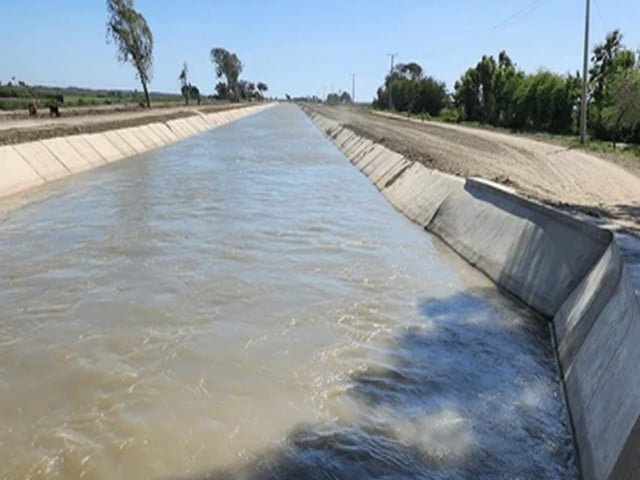
According to officials, the project could discharge approximately 3,183 cusecs of wastewater into the Nara Canal, Sindh’s largest perennial freshwater canal. The canal supplies irrigation water and drinking water to millions of people across several districts.
The Sindh Irrigation Department has rejected the proposed disposal arrangement, warning that mixing drainage effluent with freshwater could damage agricultural productivity, contaminate water supplies and create serious environmental problems.
Officials have also expressed concerns that the drainage network could potentially carry wastewater from adjoining areas of Punjab, particularly Rahim Yar Khan, through connections with existing drainage systems.
The provincial authorities have cited the experience of earlier drainage projects, including the Left Bank Outfall Drain (LBOD) and Right Bank Outfall Drain (RBOD), which have been associated with flooding, environmental degradation and damage to freshwater ecosystems.
Although the Sindh Environmental Protection Agency approved the project’s Environmental Impact Assessment (EIA) in June 2024, the irrigation authorities and Sindh Irrigation and Drainage Authority (SIDA) have questioned the assessment process.
They have argued that relevant stakeholders, including the Nara Canal Area Water Board, were not adequately consulted and that public hearings were not conducted.
The environmental approval also requires Wapda to ensure that drainage wastewater does not mix with freshwater resources and to establish an effluent treatment plant for recycling the wastewater.
Sindh irrigation officials have maintained that the proposed discharge into the Nara Canal is unacceptable because the waterway serves agricultural communities and provides drinking water to an estimated 6.61 million people.
The authorities have communicated their reservations to Wapda and called for reconsideration of the project’s technical design and wastewater disposal arrangements.
The controversy has highlighted growing concerns over the environmental impact of major drainage schemes and the protection of Sindh’s agricultural and freshwater resources.
The future of the project will depend on resolving the technical and environmental objections raised by provincial authorities.