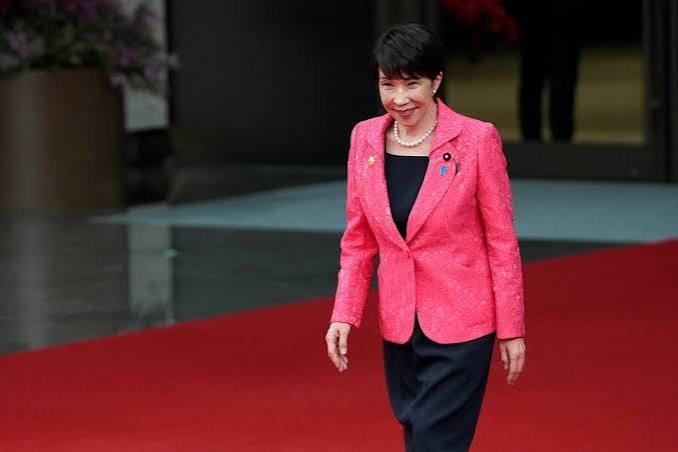
Japan’s Prime Minister Sanae Takaichi appeared to receive a cold and less welcoming reception at China’s major Asia-Pacific Economic Cooperation (APEC) summit in Shenzhen, raising questions about whether Beijing deliberately snubbed the Japanese leader. Takaichi’s visit attracted international attention because relations between Japan and China have become increasingly tense over disagreements concerning Taiwan and regional security. During her arrival in China, Takaichi was welcomed by a Chinese protocol official rather than receiving the high-profile reception given to some other world leaders. In comparison, US President Donald Trump received a much warmer welcome from Chinese President Xi Jinping, while other leaders were greeted with flowers, music and ceremonial celebrations. The difference in treatment became a major topic of discussion in Japanese media and diplomatic circles. Another noticeable moment was the seating arrangement during the summit, where Chinese President Xi Jinping sat close to other influential leaders, while Takaichi was seated seven places away near the end of the meeting table. Although Xi and Takaichi exchanged handshakes during the welcome dinner and again at the summit, they did not hold a formal one-on-one meeting to discuss their countries’ strained relations. The diplomatic tension is largely linked to Takaichi’s earlier comments about Taiwan. She had stated that a possible Chinese military attack on Taiwan could create an existential security threat for Japan and might require a Japanese response. China strongly criticised these remarks, considering them interference in its internal affairs. Beijing has also taken measures affecting economic relations, including restrictions on certain exports to Japan and other trade-related actions. Japan is concerned about these developments because China is an important trading partner and a major source of materials used in Japanese industries. Despite the controversy, Japanese Chief Cabinet Secretary Minoru Kihara rejected the suggestion that China had officially snubbed the prime minister. He stated that Japan believed its leader had received the customary treatment and courtesies provided to other participating leaders. However, several Japanese media outlets described China’s reception as a diplomatic cold shoulder. Takaichi also held a meeting with Russian President Vladimir Putin during the summit, where she discussed issues concerning Japanese businesses in Russia and raised the case of a detained Japanese journalist. The incident highlights the growing diplomatic differences between two major Asian powers and shows how international summits can become platforms for expressing political messages. Although both countries continue to maintain diplomatic and economic relations, tensions over Taiwan, security and regional influence remain serious challenges. The situation has increased concerns about the future of Japan-China relations and the possibility of further diplomatic and economic disagreements.
Was Japan Prime Minister Takaichi Snubbed at China’s Big Summit?

Leave a Comment