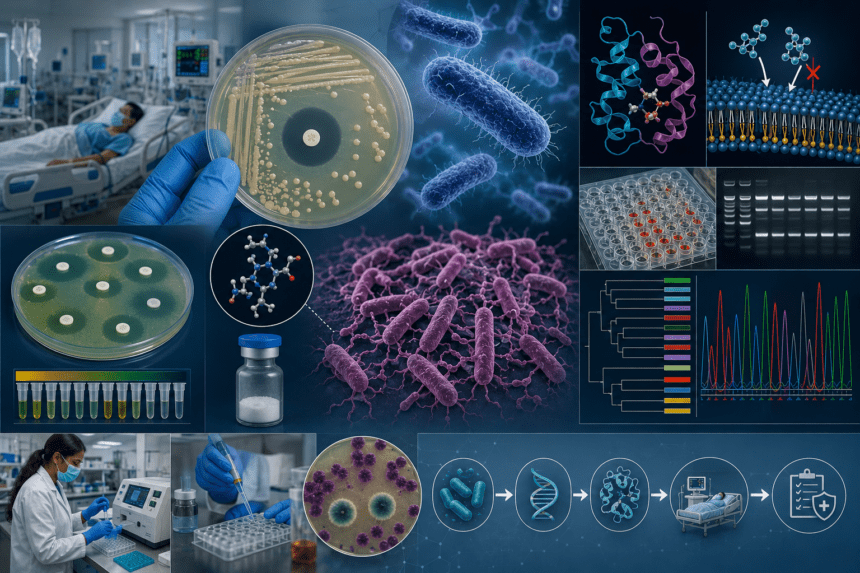
A recent study has raised concerns about the increasing resistance of Klebsiella pneumoniae Infection isolates to colistin, one of the last-resort antibiotics used to treat severe bacterial infections. Conducted at a tertiary-care hospital, the research examined both the clinical and microbiological characteristics of patients infected with colistin-resistant Klebsiella pneumoniae.
Researchers found that many of the resistant strains were isolated from critically ill patients, particularly those admitted to intensive care units (ICUs). The bacteria were commonly associated with hospital-acquired infections, including pneumonia, bloodstream infections, urinary tract infections, and wound infections. The emergence of resistance to colistin is particularly alarming because the drug is often used when other antibiotics fail.
Microbiological analysis revealed that the resistant strains possessed genetic and molecular mechanisms that enabled them to survive colistin treatment. Scientists noted that the overuse and misuse of antibiotics may be contributing to the rise of these highly resistant bacteria, making infections increasingly difficult to treat.
The study emphasizes the urgent need for stronger infection-control measures, antimicrobial stewardship programs, and continuous surveillance to monitor antibiotic resistance trends. Healthcare professionals are being encouraged to prescribe antibiotics responsibly and implement strict hygiene protocols to prevent the spread of resistant organisms within hospitals.
Experts warn that the growing prevalence of colistin-resistant Klebsiella pneumoniae poses a significant public health challenge and underscores the need for continued research into new antimicrobial therapies and treatment strategies.