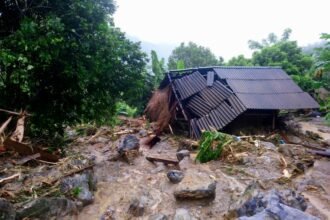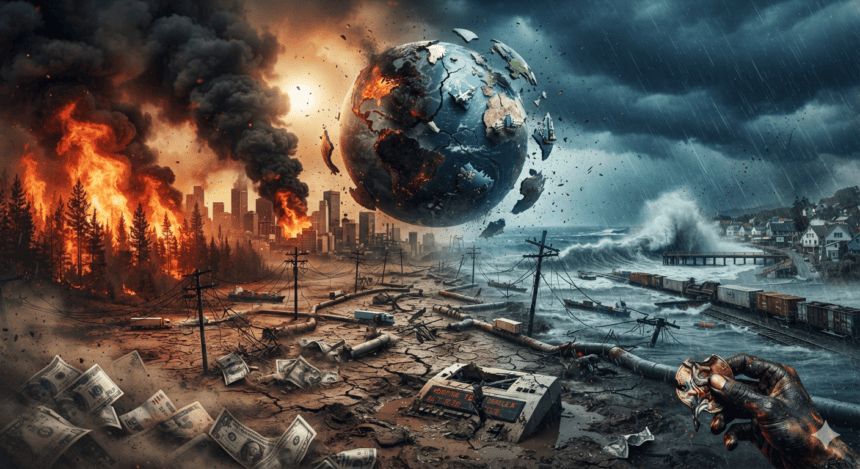
Extreme weather is no longer a seasonal inconvenience; it is a structural threat to the global economy. From the scorched agricultural belts of the American Midwest to the flooded manufacturing hubs of Southeast Asia, the cost of climate volatility has moved from the fringes of corporate balance sheets to the center of fiscal policy.
Insurance premiums are soaring. Supply chains—once optimized for efficiency—are now buckling under the weight of recurring disasters. When a hurricane slams into a critical shipping lane or a heatwave halts production in a semiconductor plant, the ripple effect reaches grocery stores and electronics retailers within weeks.
“We are seeing a permanent shift in risk assessment,” said Sarah Jenkins, a senior economist tracking climate-related losses. “Companies can no longer treat these events as ‘acts of God.’ They are recurring operational costs that businesses are increasingly unable to absorb.”
The numbers bear this out. Last year alone, global economic losses from natural disasters topped $250 billion. More than half of that was uninsured. When a fire destroys a regional power grid or a flood wipes out a highway, the burden falls squarely on taxpayers, forcing governments to divert funds from education and infrastructure into emergency repair and disaster relief.
Agriculture remains the most vulnerable sector. Unpredictable rain patterns and record-breaking heat are shortening growing seasons and slashing yields for staples like wheat, corn, and coffee. This volatility is a primary driver of food inflation, a tax that hits low-income households hardest.
Businesses are responding with a frantic scramble for “climate resilience.” Some are relocating entire distribution centers away from flood zones, while others are investing billions in private water and power systems. These aren’t just green initiatives; they are survival strategies.
Yet, the market remains largely reactive. Investors are still struggling to price in the long-term risk of climate change, leading to a dangerous disconnect between current asset valuations and the physical reality of a warming planet.
As extreme weather becomes the new baseline, the global economy faces a stark choice: pay the rising price of disaster recovery or invest in the systemic overhaul required to withstand the storm. Right now, the world is choosing to pay for the damage.