By using this site, you agree to the Privacy Policy and Terms of Use.
Accept
Media HydeMedia Hyde
  • Home
  • Politics
  • Education
  • Entertainment
  • Sports
  • Blogs
  • Business & Commerce
  • Others
    • Religious
    • Metropolitan
    • Climate and Weather
Font ResizerAa
Media HydeMedia Hyde
Font ResizerAa
  • Home
  • Politics
  • Education
  • Entertainment
  • Sports
  • Blogs
  • Business & Commerce
  • Others
    • Religious
    • Metropolitan
    • Climate and Weather
Follow US
© 2026 Media Hyde Network. All Rights Reserved.
international

Trump pulls Witkoff, Kushner Pakistan trip, dimming hopes of fresh Iran talks

Last updated: April 26, 2026 12:07 pm
Mabruka Khan
Share
Trump pulls Witkoff, Kushner Pakistan trip, dimming hopes of fresh Iran talks
SHARE

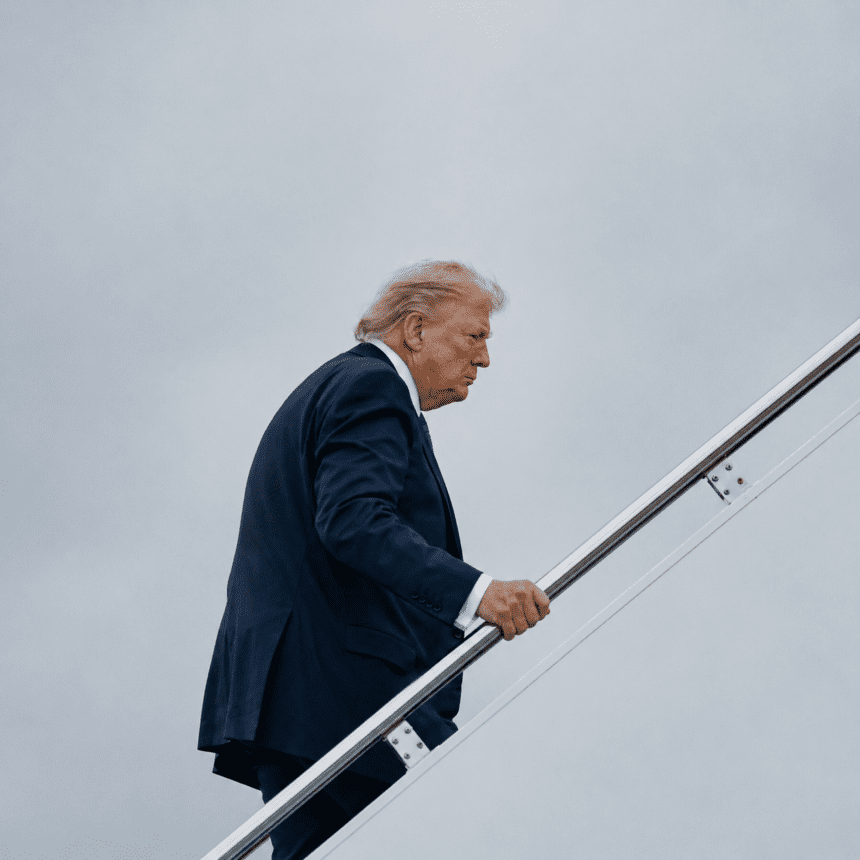
A planned U.S. diplomatic trip to Pakistan has been called off, after President Donald Trump said he would no longer send Steve Witkoff and Jared Kushner to Islamabad for talks tied to the U.S.-Iran crisis. The move came just as Pakistan briefly looked like a possible venue for another round of high-stakes diplomacy.

The cancellation matters because the trip had been linked to possible negotiations with Iran, or at least an attempt to test whether a broader opening was possible. But that opening never really settled into place. Iran publicly maintained that its engagement with Pakistan was bilateral, not a direct negotiating track with Washington, and that made the atmosphere around the proposed visit uncertain from the start.

Before Trump’s announcement, Iranian Foreign Minister Abbas Araghchi had already been in Islamabad for meetings with Pakistani leaders. According to the latest reporting, he wrapped up that visit and moved on, while signaling that Pakistan remained an important diplomatic stop in a wider regional effort. Even so, there was no clear sign that his trip had produced a breakthrough with the United States.

Trump said he canceled the envoys’ travel himself, arguing that Iran could make contact if it genuinely wanted talks. Reporting also says the White House had earlier expected Witkoff and Kushner to represent the U.S. side, but the administration stepped back as questions grew over Iran’s internal position and over whether the moment was right for face-to-face diplomacy.

That leaves Pakistan in a familiar but tricky place. Islamabad appeared ready to host or facilitate contact, and for a moment it seemed the city might again become a stage for sensitive regional diplomacy. Instead, the process stalled. The symbolism was real, but the follow-through was not.


Share This Article
Email Copy Link Print
Previous Article PM Sharif, Iranian President Pezeshkian discuss regional peace, security
Next Article Sooryavanshi’s stunning hundred goes unrewarded as SRH hunt down 229 in Jaipur
Leave a Comment

Leave a Reply Cancel reply

Your email address will not be published. Required fields are marked *

Sponsored Ads

Stay Connected

FacebookLike
XFollow
InstagramFollow
YoutubeSubscribe
WhatsAppFollow
ThreadsFollow
Cummins salutes teen sensation Sooryavanshi after another staggering IPL statement
Sports
April 26, 2026
Atletico Madrid build momentum before Arsenal clash despite Barrios injury
Sports
April 26, 2026
Headline: Pakistan Airports Authority to Upgrade Passenger Facilities Amid Modernization Push
Travel
April 26, 2026
Ir@n War 2026: A Conflict With No Clear End in Sight
Blog
April 26, 2026
Trump calls off Witkoff and Kushner trip to Pakistan for Iran peace talks
Breaking
April 26, 2026
Punjab CM Announces Film City Project in Lahore
Entertainment
April 26, 2026

You Might Also Like

Headlineinternational

Kuwait Announces Phased Reopening of Airport, Flights to Resume from April 26

By
Haris Ali
PARIS — French President Emmanuel Macron said Tuesday that France will help Lebanon prepare for negotiations with Israel, throwing Paris more directly behind a diplomatic push that both sides hope can keep a shaky ceasefire from collapsing. The pledge came after Macron met Lebanese Prime Minister Nawaf Salam in Paris on April 21, 2026, with both men calling for talks aimed at reinforcing the truce and easing pressure along the border. The message from Paris was fairly blunt: diplomacy has to move faster than events on the ground. Macron said securing the truce in Lebanon remains a priority, while Salam said Beirut is still committed to a political route — but only if Israel fully withdraws and Lebanese sovereignty is respected. That gives the talks a familiar tension from the outset: everybody says they want calm, but each side is attaching hard conditions to what comes next. What makes this moment different is that actual contact has already started. Earlier in April, Lebanon and Israel held their first direct diplomatic talks in decades in Washington, a notable step for two countries that remain formally at war. Those talks lasted more than two hours, according to AP, and were seen as an opening rather than any kind of breakthrough. Still, even getting both sides into the same room was a shift. A month ago, that would have sounded like a long shot. France is trying to carve out a role around that opening, even if it is not at the center of the U.S.-led channel. Reuters, in a report carried by AOL, said Macron offered French help in preparing Lebanese authorities for the negotiations despite Paris not being directly involved in the current track. That matters because France has longstanding ties to Lebanon and has already tried in recent months to position itself as a possible facilitator for Lebanon-Israel contacts. None of this is happening in calm conditions. The ceasefire itself is fragile, and that word keeps showing up for a reason. AP reported that Macron and Salam framed negotiations as a way to shore up that truce, not celebrate it. In other words, this is less about a peace moment and more about damage control — an attempt to stop cross-border violence from flaring back into a wider war. There is another layer here too: France’s own stake in Lebanon’s security picture has grown more personal and more political. AP reported that a French peacekeeper serving with the U.N. mission in southern Lebanon was recently killed, with France and UNIFIL blaming Hezbollah, which denied responsibility. Macron also signaled France could support a future peacekeeping arrangement if the current UNIFIL mandate expires later this year. That does not make France a neutral bystander. It makes Paris a country with skin in the game. For Lebanon, Salam’s visit was about more than symbolism. It was also about trying to strengthen Beirut’s hand before any deeper round of talks. That is how the Reuters report framed the meeting, and it fits the broader reality: Lebanon wants diplomatic backing, but it also wants guarantees that negotiations will not simply formalize Israeli military leverage on the ground. Israel, for its part, has shown little appetite for giving France a central seat. Recent reporting from The Times of Israel said Jerusalem has effectively boxed Paris out of the current Lebanon track, a sign that Macron’s activism is not automatically welcome everywhere. So France may end up playing the role of outside backer rather than direct broker, at least for now. That is still useful, but it is not the same thing as controlling the process. That leaves the region in an awkward, in-between place. The channels are open. The rhetoric is cautious. The fighting has eased, but nobody seems ready to pretend the danger is over. Macron’s offer to help Lebanon prepare for talks is significant because it tries to turn a brief diplomatic opening into something sturdier. Whether that works depends on what happens next — in Washington, along the border, and in the political calculations of Beirut and Jerusalem. Right now, the talks look less like a grand peace effort and more like a narrow bridge built over very thin ice.
international

Macron says France will help Lebanon get ready for talks with Israel

By
Mabruka Khan
Headlineinternational

Parallel Economy: How Russia Is Defying Western Sanctions Through Alternative Trade Channels

By
Haris Ali
international

Strong 5.9-Magnitude Earthquake Strikes Mongolia

By
Ayan Ahmed
Media Hyde Media Hyde Dark
Facebook Twitter Youtube Rss Medium

About US

Media Hyde Network: Your instant connection to breaking stories and live updates. Stay informed with our real-time coverage across politics, tech, entertainment, and more. Your reliable source for 24/7 News.

Top Categories
  • Headline
  • Politics
  • Entertainment
  • Education
  • Sports
  • Religious
  • Metropolitan
  • Climate and Weather
Usefull Links
  • Contact Us
  • Disclaimer
  • Privacy Policy
  • Cookies Policy
  • Advertising Policy
  • Terms & Conditions

© 2025 Media Hyde Network. All Rights Reserved.

Welcome Back!

Sign in to your account

Username or Email Address
Password

Lost your password?