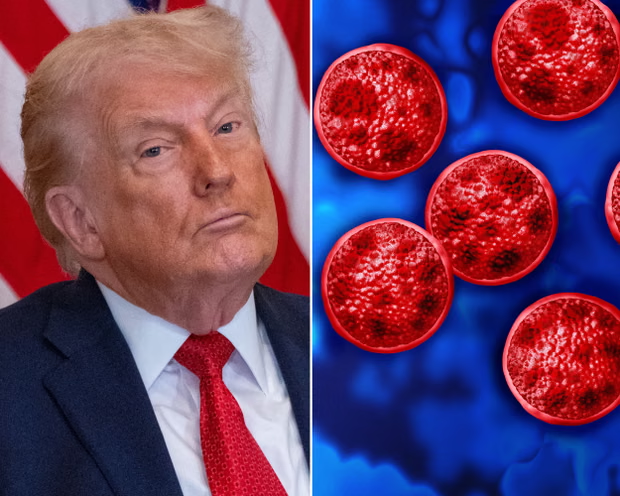
A growing cyclosporiasis outbreak in the United States has raised concerns about the country’s ability to respond effectively to foodborne diseases. Some public health experts argue that budget reductions and staffing cuts made during the Trump administration weakened parts of the nation’s public health infrastructure, making it more difficult to detect, investigate, and respond to large outbreaks.
Cyclosporiasis is an intestinal illness caused by the parasite Cyclospora cayetanensis. It is commonly linked to contaminated fresh produce and can cause symptoms such as prolonged diarrhea, stomach cramps, nausea, fatigue, and loss of appetite.
Health officials are working to identify the source of the current outbreak through food tracing, laboratory testing, and public health investigations. Consumers are advised to follow food safety recommendations, wash fresh fruits and vegetables, and stay informed about any product recalls or health advisories.
The discussion over the outbreak has also renewed debate about the importance of investing in public health systems. Experts say strong disease surveillance, laboratory capacity, and adequate staffing are essential for responding quickly to infectious disease outbreaks and protecting public health.