The United States’ new global health strategy has sparked serious concerns among public health experts, who warn that changes in international health assistance and cooperation could make the world less prepared for future pandemics.
According to a report published by The New York Times on November 6, 2026, the Trump administration has been negotiating separate health agreements with dozens of countries, particularly in Africa. Experts believe that this country-by-country approach could weaken international disease surveillance and pandemic prevention efforts.
A Shift Towards Bilateral Health Agreements
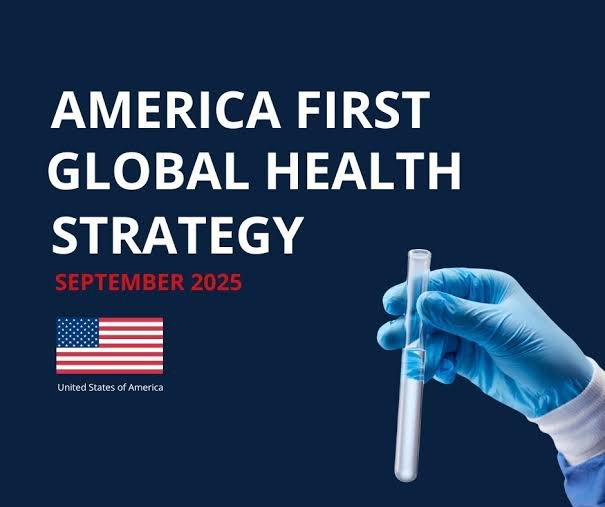
The Trump administration’s “America First Global Health Strategy” focuses on negotiating individual agreements with developing countries instead of relying primarily on large international health partnerships.
Under this approach, the United States provides financial assistance for healthcare programmes in exchange for certain commitments from partner countries.
The administration argues that bilateral agreements can deliver faster results and provide greater accountability. However, public health experts question whether separate agreements can provide the same level of global coordination as a unified international system.
Concerns Over the Ebola Outbreak in Congo
One of the most concerning examples involves the Democratic Republic of Congo, which has been struggling with a major Ebola outbreak.
According to the report, an agreement signed in February provides Congo with $900 million over five years. However, the agreement also предусматриes that US funding for healthcare workers will end by December 31, 2026.
Experts have expressed concern that reducing support for healthcare workers during an infectious disease outbreak could weaken the country’s ability to detect and control emerging health threats.
The US State Department has said it will work with Congolese officials to ensure that government health workers can be paid, but it has not confirmed an extension of the funding deadline.
Why Are Experts Worried?
Public health specialists have identified several potential risks:
-
Weak international cooperation: Separate agreements may create gaps in global disease monitoring and emergency response.
-
Delayed outbreak detection: Countries may hesitate to share information if they do not receive fair benefits in return.
-
Unequal access to vaccines: Developing countries could struggle to obtain vaccines, diagnostic tests and treatments during future health emergencies.
-
Reduced healthcare funding: Cuts in financial assistance could weaken hospitals, laboratories and disease surveillance programmes.
Dr. Raj Panjabi, a former White House official responsible for global health security, warned that separate agreements could create many slow systems instead of one effective global network.
Disagreement Over the World Health Organization
Another major concern is the United States’ withdrawal from the World Health Organization (WHO) in January 2025.
Experts argue that international organisations play an important role in coordinating responses to diseases that can spread across national borders.
The United States has also rejected certain international pandemic cooperation initiatives, raising concerns about the future of global health agreements.
Meanwhile, the WHO has continued efforts to establish arrangements that would improve access to vaccines, medical treatments and diagnostic tools, particularly for low-income countries.
Conclusion: Global Health Requires Global Cooperation
The debate surrounding America’s new global health strategy highlights an important question: Can individual countries effectively prevent pandemics without strong international cooperation?
While the US administration supports country-specific agreements as a way to improve accountability and deliver assistance, public health experts warn that infectious diseases do not respect national borders.
The experience of COVID-19 demonstrated how quickly an outbreak in one country can become a worldwide emergency.