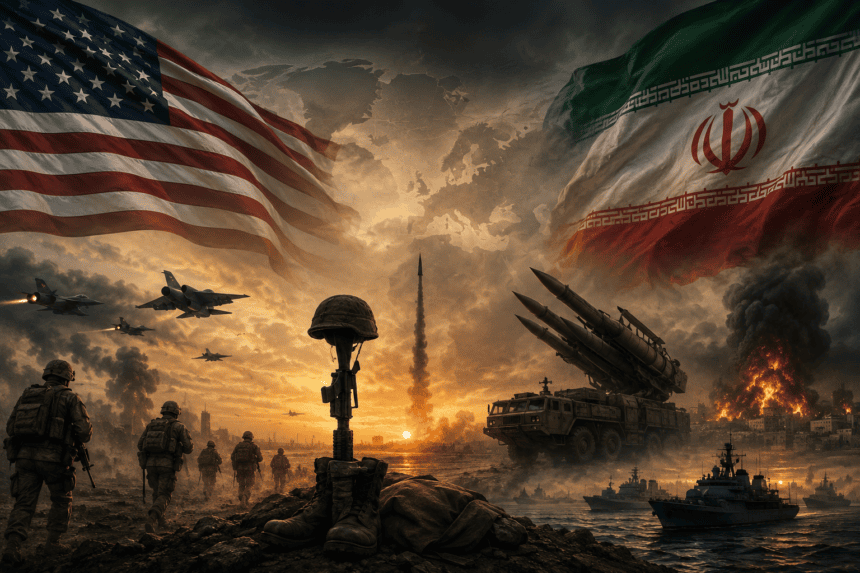
A U.S. service member was killed Tuesday in a strike targeting coalition forces in the Middle East, marking a sharp escalation in a region already teetering on the edge of a wider conflict. The Pentagon confirmed the casualty late in the day, though officials have withheld the individual’s identity pending notification of next of kin.
The attack comes as Iranian-backed militias have ramped up activity across Iraq, Syria, and the Red Sea. For months, the Biden administration has attempted to balance a policy of “containment” with the reality of a persistent, low-level war that is no longer low-level.
This death changes the calculus. The White House now faces mounting pressure from lawmakers to move beyond defensive posturing. Republican senators were quick to demand a direct strike against Iranian soil, arguing that the current strategy of retaliating only against proxy groups is failing to deter Tehran.
“We are past the point of measured responses,” one defense analyst noted, pointing to the frequency of these strikes over the last 72 hours. “When you lose personnel, the political cost of inaction becomes higher than the risk of escalation.”
The Pentagon hasn’t yet linked the specific strike to a single militia group, but the pattern—drones and indirect fire—bears the signature of the groups Tehran arms and funds. Iran, for its part, continues to deny direct involvement in the attacks, framing them as spontaneous acts of resistance against the U.S. presence in the region.
The conflict is no longer just about geography; it’s about the credibility of U.S. deterrence. Military commanders in the region have been warning for weeks that the “rules of engagement” had shifted. With a U.S. flag-draped casket now heading home, the administration’s window for a calibrated diplomatic response is closing.
National Security Council officials are expected to meet at the White House early Wednesday to finalize a response. Any move, however, risks triggering the very regional war that Washington has spent the last year trying to avoid.
For now, the focus remains on the grieving family of the fallen service member—and the high-stakes decision looming in the Oval Office.