Introduction
Maintaining a healthy weight doesn’t require extreme diets or skipping meals. The key to long-term weight control is developing sustainable eating habits and planning meals in advance. Meal prepping can help you make healthier choices, save time, reduce food waste, and avoid the temptation of fast food. Combined with safe dieting habits, it can support weight management while ensuring your body gets the nutrients it needs.
Why Meal Prep Helps with Weight Control
Planning your meals ahead of time makes it easier to stick to healthy eating goals. Instead of deciding what to eat when you’re hungry, you’ll already have balanced meals ready to go.
Meal prepping can help:
- Control portion sizes
- Reduce unhealthy snacking
- Save money and time
- Lower stress around meal decisions
- Support consistent healthy eating
Easy Meal Prep Ideas
1. Prepare Protein in Bulk
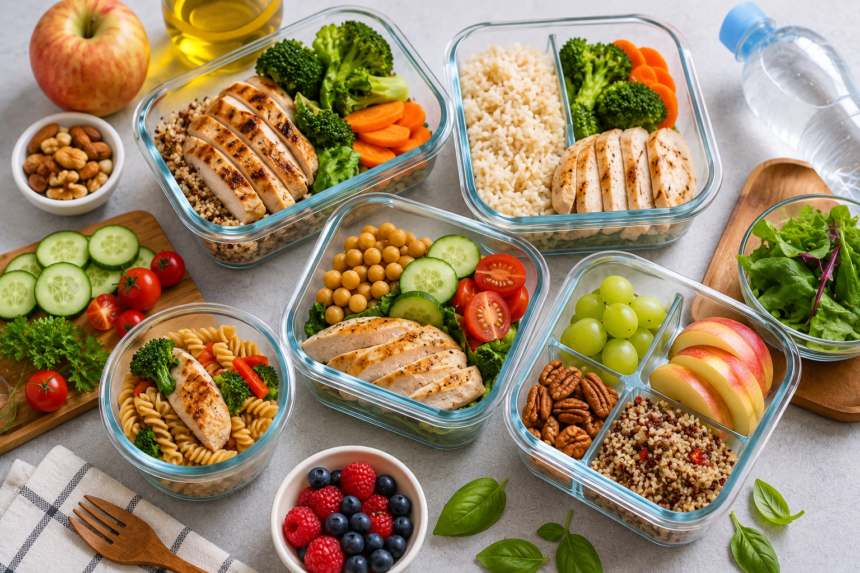
Cook a large batch of grilled chicken, baked fish, boiled eggs, tofu, lentils, or beans at the beginning of the week. Store them in separate containers to mix with different meals.
2. Chop Fresh Vegetables
Wash and cut vegetables such as carrots, cucumbers, bell peppers, broccoli, spinach, and lettuce. Keeping them ready encourages you to add more vegetables to meals or enjoy them as healthy snacks.
3. Cook Whole Grains
Prepare brown rice, quinoa, oats, or whole-wheat pasta in advance. These foods provide lasting energy and can be paired with lean proteins and vegetables.
4. Pack Healthy Lunch Boxes
A balanced meal should include:
- Lean protein
- Whole grains
- Plenty of vegetables
- Healthy fats like avocado or nuts
This combination helps keep you satisfied for longer.
5. Make Healthy Breakfasts Ahead
Prepare overnight oats, yogurt parfaits, boiled eggs, or smoothie packs for quick and nutritious mornings.
6. Keep Healthy Snacks Ready
Instead of reaching for chips or sweets, prepare snacks like:
- Fresh fruit
- Mixed nuts
- Greek yogurt
- Roasted chickpeas
- Vegetable sticks with hummus
Safe Dieting Habits
Avoid Skipping Meals
Skipping meals often leads to overeating later in the day. Eating regular, balanced meals helps maintain stable energy levels.
Don’t Follow Crash Diets
Very low-calorie diets may cause rapid weight loss, but they are difficult to maintain and can lead to nutrient deficiencies, muscle loss, and weight regain.
Drink Plenty of Water
Sometimes thirst is mistaken for hunger. Drinking enough water throughout the day supports overall health and may help reduce unnecessary snacking.
Watch Portion Sizes
Even healthy foods can contribute to weight gain if eaten in excessive amounts. Using smaller plates or measuring portions can help.
Eat Slowly
It takes about 20 minutes for your brain to recognize fullness. Eating slowly allows you to enjoy your food and avoid overeating.
Limit Sugary Drinks
Soft drinks, sweetened coffees, and energy drinks add extra calories without making you feel full. Choose water, herbal tea, or unsweetened beverages whenever possible.
Healthy Lifestyle Tips
Weight control isn’t just about food. Other healthy habits include:
- Aim for at least 150 minutes of moderate physical activity each week.
- Get 7–9 hours of quality sleep every night.
- Manage stress through walking, meditation, yoga, or hobbies.
- Stay consistent rather than aiming for perfection.
- Celebrate small, realistic progress over time.
Common Mistakes to Avoid
- Skipping breakfast regularly
- Depending on diet pills or detox teas
- Eliminating entire food groups without medical advice
- Eating while distracted by television or phones
- Setting unrealistic weight-loss goals
Conclusion
Successful weight control comes from healthy habits that you can maintain over time—not quick fixes. Preparing nutritious meals in advance, eating balanced portions, staying active, and avoiding extreme diets can make managing your weight easier and more enjoyable. Small, consistent changes often lead to the greatest long-term success. Focus on nourishing your body, staying active, and building habits that support your overall health for years to come.