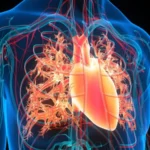


Asthma is a chronic illness, which means it usually doesn’t completely go away but can be managed effectively over the long term through proper care and treatment.
There are several scientific and medical reasons why asthma persists:
1. Persistent Sensitivity in Airways
In asthma, the airways of the lungs remain constantly sensitive. This sensitivity lasts for years and gets triggered by factors like dust, smoke, or cold weather, causing swelling and narrowing of the airways.
2. Genetic Factors
Asthma is often hereditary. If someone in the family has asthma, others are at a higher risk. Genetic diseases are usually chronic and cannot be completely cured only managed.
3. Environmental Triggers
Smoke, pollen, cold air, pet dander, chemicals, smog, germs, and dust particles can all trigger asthma attacks. Since these factors are always present in the environment, asthma tends to recur.
4. Immune System Dysregulation
Asthma is essentially a condition of an overreactive immune system. The body may react strongly to substances that don’t affect most people, leading to inflammation and difficulty in breathing.
5. Temporary Effect of Medications
Asthma medications such as inhalers and corticosteroids provide temporary relief from symptoms but do not eliminate the root cause. Once the medication is stopped, the symptoms often return.
6. Structural Changes in the Lungs
If asthma remains uncontrolled for a long time, it can lead to permanent structural changes in the airways, which cannot be reversed to their normal state.
In conclusion, while asthma may not be completely curable, it can be effectively controlled with consistent treatment and lifestyle management.