The Democratic Republic of Congo is facing its worst Ebola outbreak on record, with more than 7,000 cases reported as the deadly disease continues to spread. The outbreak has raised renewed concerns over disease surveillance, rapid diagnosis and infection-control measures.
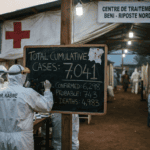
Reports published on September 12 said more than 7,000 Ebola cases had been recorded in the country, making the current outbreak the largest Ebola epidemic recorded in the Democratic Republic of Congo.
Ituri among the affected areas
The outbreak has particularly affected Ituri province, where Ebola has been detected in several settings, including schools. The presence of cases in community environments has increased concerns about further transmission and the need for rapid public-health intervention.
Why Ebola remains a major concern
Ebola is a severe viral disease that can cause fever, weakness, vomiting, diarrhoea and, in serious cases, internal and external bleeding. The virus can spread through direct contact with the blood or other bodily fluids of an infected person or someone who has died from the disease.
Early identification of suspected cases is therefore critical for limiting transmission.
Health authorities face a major challenge
Containing a large Ebola outbreak requires rapid case detection, isolation of patients, contact tracing, infection prevention and control, community engagement and vaccination where appropriate.
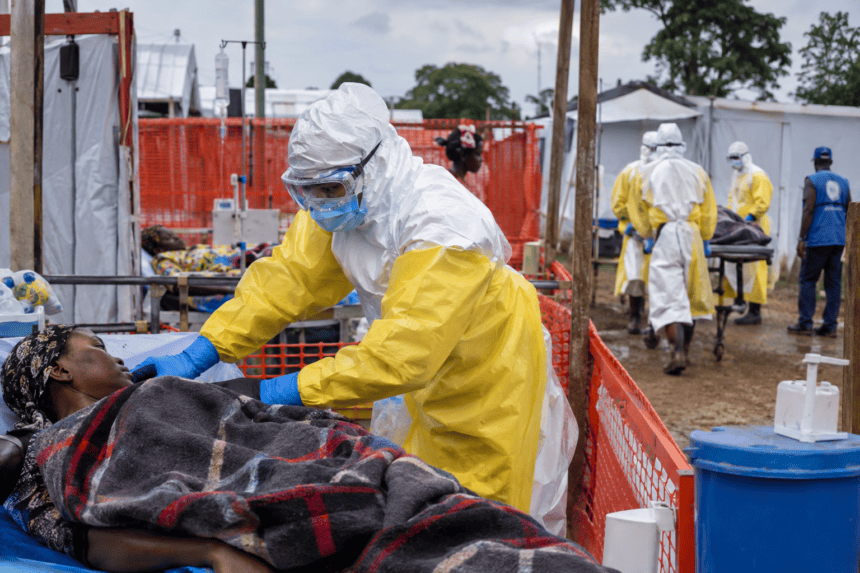
Health workers also face risks because they can come into close contact with infected patients. Strong protective measures are essential in hospitals and treatment centres.
Public awareness remains important
Communities affected by Ebola outbreaks are encouraged to follow guidance from health authorities and report suspected cases quickly. Early medical assessment can help patients receive appropriate care while reducing the risk of exposing others.
The bottom line
The passage of 7,000 cases marks a serious development in the Democratic Republic of Congo’s ongoing Ebola crisis. The scale of the outbreak highlights the importance of rapid public-health action, effective surveillance and community cooperation to prevent further spread.