Dubai,
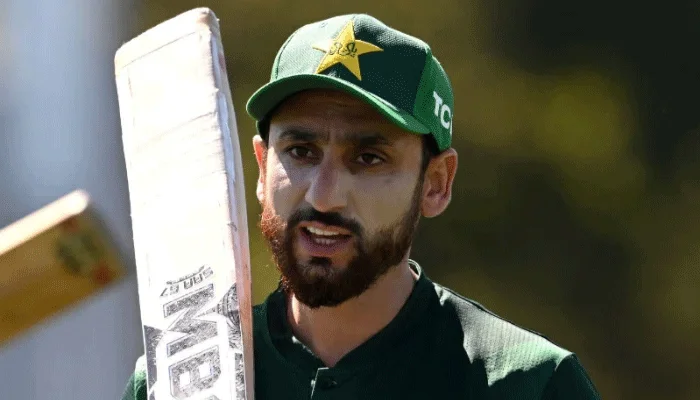
Pakistan’s T20 captain Salman Ali Agha has urged an urgent shift toward modern, high-intent cricket, warning that failure to adapt could leave Pakistan cricket facing a decline similar to that of its once-dominant hockey team.
Speaking ahead of the Asia Cup 2025, which begins for Pakistan on September 12 against Oman in Dubai, Salman stressed that the team must embrace a fearless, aggressive style in line with global T20 trends. “We are already late in adapting,” he cautioned. “If we don’t change now, we risk falling behind just like hockey, where Pakistan’s inability to modernize led to its downfall.”
Since assuming captaincy, Salman has outlined a blueprint for change: greater intent in the powerplay, attacking batting through the middle overs, and player roles defined around boundary-hitting. The approach accepts higher risk but aims to keep pace with international standards.
Team management has backed the plan, with a focus on developing a broader pool of players suited to this style and giving them sustained opportunities. There is also emphasis on separating formats, ensuring that T20 strategies and selections are not blurred with Test and ODI cricket.
The immediate test of Salman’s philosophy will come in the Asia Cup, where Pakistan face Oman first before a marquee clash against India on September 14. With the 2025 T20 World Cup approaching, how well Pakistan implements this aggressive template will be closely scrutinized.
Pakistan’s T20 captain Salman Ali Agha has urged an urgent shift toward modern, high-intent cricket, warning that failure to adapt could leave Pakistan cricket facing a decline similar to that of its once-dominant hockey team.
Speaking ahead of the Asia Cup 2025, which begins for Pakistan on September 12 against Oman in Dubai, Salman stressed that the team must embrace a fearless, aggressive style in line with global T20 trends. “We are already late in adapting,” he cautioned. “If we don’t change now, we risk falling behind just like hockey, where Pakistan’s inability to modernize led to its downfall.”
Since assuming captaincy, Salman has outlined a blueprint for change: greater intent in the powerplay, attacking batting through the middle overs, and player roles defined around boundary-hitting. The approach accepts higher risk but aims to keep pace with international standards.
Team management has backed the plan, with a focus on developing a broader pool of players suited to this style and giving them sustained opportunities. There is also emphasis on separating formats, ensuring that T20 strategies and selections are not blurred with Test and ODI cricket.
The immediate test of Salman’s philosophy will come in the Asia Cup, where Pakistan face Oman first before a marquee clash against India on September 14. With the 2025 T20 World Cup approaching, how well Pakistan implements this aggressive template will be closely scrutinized.