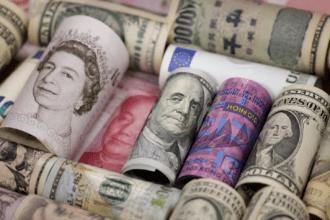
Pakistan received $2 billion from Saudi Arabia this week, with the State Bank of Pakistan confirming on Thursday that the funds had reached the central bank with a value date of April 15, 2026. The inflow comes at a delicate moment for Islamabad, which has been trying to shore up foreign exchange reserves and ease pressure on its external financing position.
The SBP announced the transfer in a brief statement, identifying the sender as the Ministry of Finance of the Kingdom of Saudi Arabia. Even though the central bank’s confirmation was short on detail, the significance was pretty clear: a $2 billion deposit is not a routine move for Pakistan. It gives the country an immediate reserve cushion at a time when every dollar matters.
The transfer also fits into a bigger Saudi support package that Pakistani officials had been signaling just a day earlier. Finance Minister Muhammad Aurangzeb said Saudi Arabia had committed an additional $3 billion in deposits and agreed to extend an existing $5 billion Saudi deposit facility for three years, a change that would reduce the near-term repayment pressure Pakistan had been facing under the earlier rollover arrangement.
That matters because Pakistan has been walking a narrow line on external financing. Before this latest inflow, SBP-held reserves stood at about $16.40 billion for the week ended April 3, 2026, according to central bank-linked reporting. Analysts and local financial outlets had also noted looming external payments, including debt obligations that could have pulled reserves lower in the weeks ahead. Against that backdrop, the Saudi deposit is being seen not just as friendly support, but as a stabilizing intervention.
There is, of course, a political and strategic layer to all this. Saudi financial backing for Pakistan isn’t new, but the timing of this fresh deposit suggests Riyadh is still willing to play a key support role when Islamabad’s balance-of-payments position tightens. For Pakistan, that support buys breathing room. It may also strengthen the government’s hand as it tries to reassure markets, creditors and multilateral lenders that reserve levels can be defended.
Still, one deposit does not fix the underlying problem. Pakistan’s economy remains vulnerable to external shocks, large debt repayments and the constant need to maintain investor and lender confidence. What the Saudi money does is ease the immediate strain. It pushes the reserve picture in the right direction and, at least for now, gives policymakers a little more space to manage what remains a fragile external account.