Rawalpindi police have pushed back against reports that markets in the city were being shut indefinitely, as confusion continued after several days of security-driven closures linked to the presence of foreign delegations in the twin cities. Recent coverage shows that traders were first told to keep markets closed over the weekend, but no clearly published order has surfaced showing that commercial areas were to remain shut without a time limit.
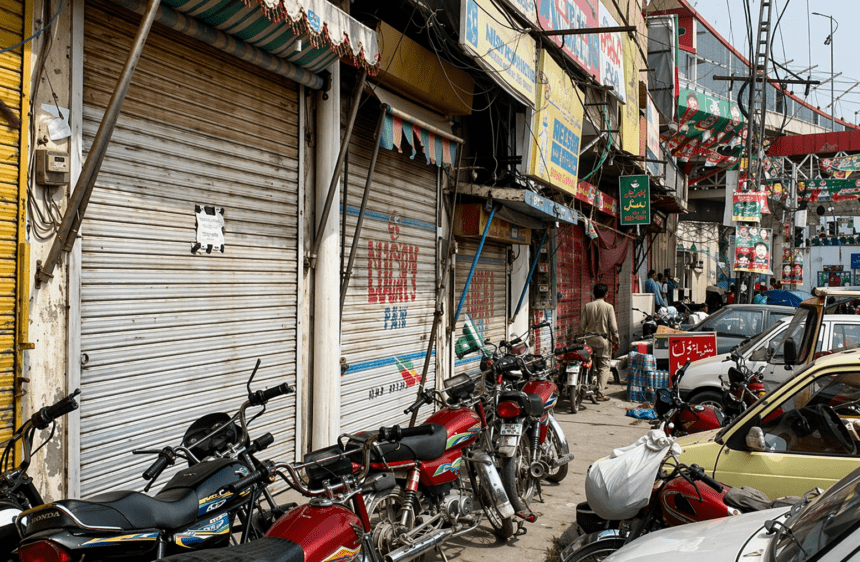
The uncertainty grew after some markets briefly reopened once the high-level diplomatic activity eased, only for police to again move in and ask shopkeepers to close. That stop-start pattern triggered anger among traders, who said business had already taken a hit and that mixed signals from the administration and police were making matters worse.
The original closures were tied to extraordinary security arrangements in Rawalpindi and Islamabad during the movement of foreign delegations. Reports said more than 5,000 police personnel were deployed in Rawalpindi, while central areas, roads and commercial zones faced restrictions as authorities tried to secure the route network and sensitive locations.
For residents, though, the bigger issue was practical rather than diplomatic. With major bazaars shut, people struggled to buy everyday essentials, and traders complained that even short closures were rippling through supply, sales and routine commerce. In some areas, shopkeepers opened in the hope that normal business had resumed, only to be told again to pull down their shutters.
That is why the police denial matters. The dispute is no longer just about whether markets were closed for security reasons that part is well established. The question is whether those restrictions were temporary and situation-based, or whether shopkeepers were being informally pushed into an open-ended shutdown. Based on current reporting, the evidence points more toward shifting, short-term enforcement and poor communication than to any formal announcement of an indefinite closure.