Pakistan Airports Authority (PAA) is launching a comprehensive overhaul of passenger facilities across the country’s major hubs, aiming to resolve long-standing complaints regarding service standards and terminal infrastructure.
The initiative follows the formal transition of airport operations from the Civil Aviation Authority (CAA) to the newly established PAA. Officials indicate the focus is shifting toward “passenger experience,” a significant departure from the previous administrative model that prioritized regulatory oversight over service delivery.
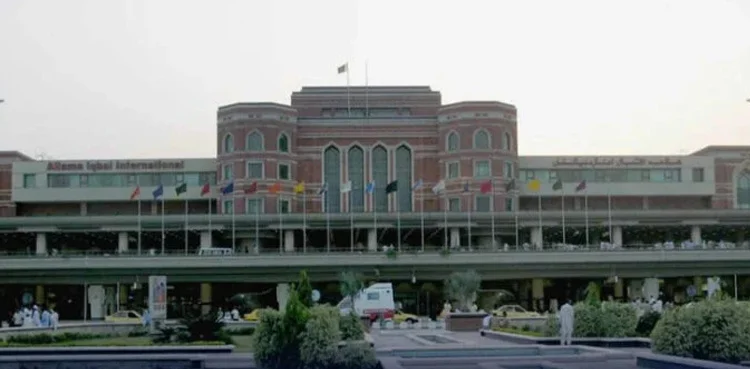
The plan targets overcrowding at arrival and departure lounges, a recurring issue at Jinnah International and Allama Iqbal International. PAA planners are currently reviewing proposals to install automated check-in kiosks, upgrade baggage handling systems, and expand climate-controlled waiting areas. These infrastructure projects aim to reduce wait times during peak hours, which have historically spiked during international flight windows.
“The goal is to bring our service standards in line with regional competitors,” a senior PAA official said, speaking on the condition of anonymity as the project rollout is finalized. “We aren’t just talking about aesthetic upgrades. We are looking at the entire passenger journey from the curb to the gate.”
Funding for the upgrades is expected to be drawn from the PAA’s newly autonomous revenue stream, which allows the authority to reinvest airport charges directly into facility maintenance. Previously, these funds were often diverted to the central aviation pool, leaving individual airports struggling with aging equipment and broken amenities.
Critics have noted that similar promises were made under the old CAA structure, only to stall due to bureaucratic red tape. This time, the PAA has been granted greater operational autonomy, which proponents argue will allow for faster procurement of new technology and maintenance contracts.
The authority is also expected to announce a new public-private partnership model for airport retail and dining services. The objective is to replace current, often stagnant, concessions with brands that offer a wider variety of options for travelers.
Construction and installation phases are slated to begin in the coming quarter, starting with high-traffic terminals in Karachi, Lahore, and Islamabad. For passengers who have endured years of crumbling infrastructure and inconsistent facilities, the success of this plan will hinge on whether the PAA can deliver on its timelines—a hurdle that has derailed aviation projects in Pakistan for decades.