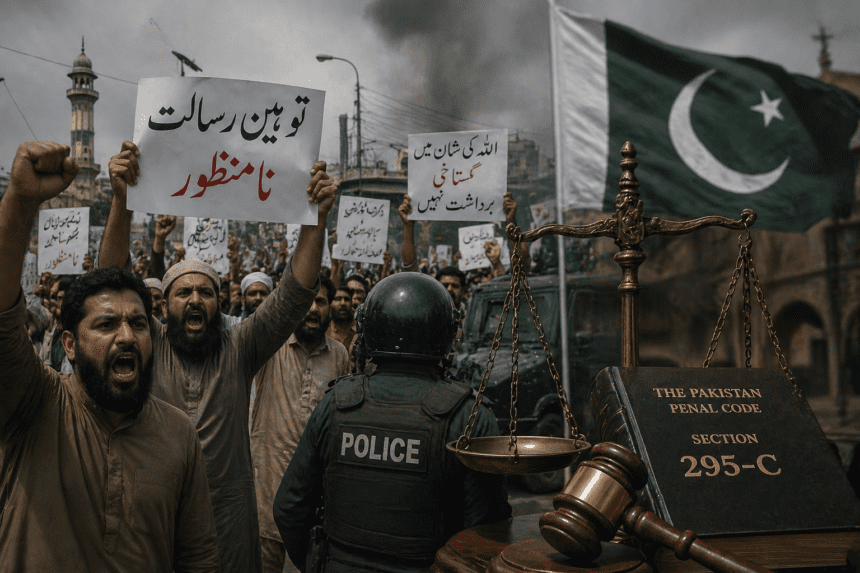
Pakistan’s religious fault lines remained under scrutiny on Sunday, April 27, with no single nationwide blasphemy flashpoint dominating verified open-source reporting during the day, but fresh attention continuing to center on the country’s wider climate of religious tension, blasphemy prosecutions and the vulnerability of minorities. That picture is being shaped less by one confirmed breaking incident today than by a steady accumulation of recent warnings from rights bodies and courts-related reporting.
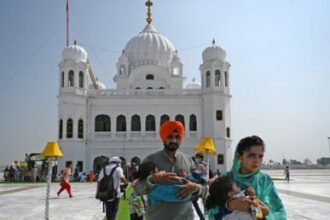
One of the clearest recent signals came from UN human rights experts, who said this month that forced religious conversion through marriage remains a serious concern in Pakistan, particularly for Hindu and Christian girls. The experts said coercion, weak enforcement and institutional failures continue to expose minority women and girls to abuse, linking the issue to deeper patterns of discrimination and impunity.
Human Rights Watch has also kept pressure on Pakistan over the broader use and misuse of blasphemy laws. In its 2026 country chapter, the group said blasphemy provisions continue to leave religious minorities vulnerable to arbitrary arrest, prosecution and mob violence. In a separate 2025 report still shaping discussion this year, HRW said blasphemy accusations have been exploited for blackmail, land grabs and other abuses, especially against poor and marginalized communities.
The legal backdrop remains just as severe. AP previously reported that Pakistani courts have continued handing down death sentences in blasphemy cases, even though executions for blasphemy have not been carried out by the state. The continued use of capital punishment in such prosecutions reinforces the atmosphere around these accusations, where even an allegation can trigger fear, social isolation or violence before a case is fully tested in court.
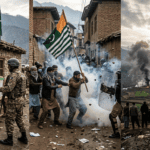
Recent Pakistani coverage also shows why the issue remains so combustible. The Express Tribune’s blasphemy archive highlights how quickly accusations can feed mob pressure, sectarian anger and street-level unrest, including earlier episodes in which police had to move suspects for their safety or crack down after crowd violence. Even when there is no major verified incident on a given day, that history keeps the issue politically and socially volatile.