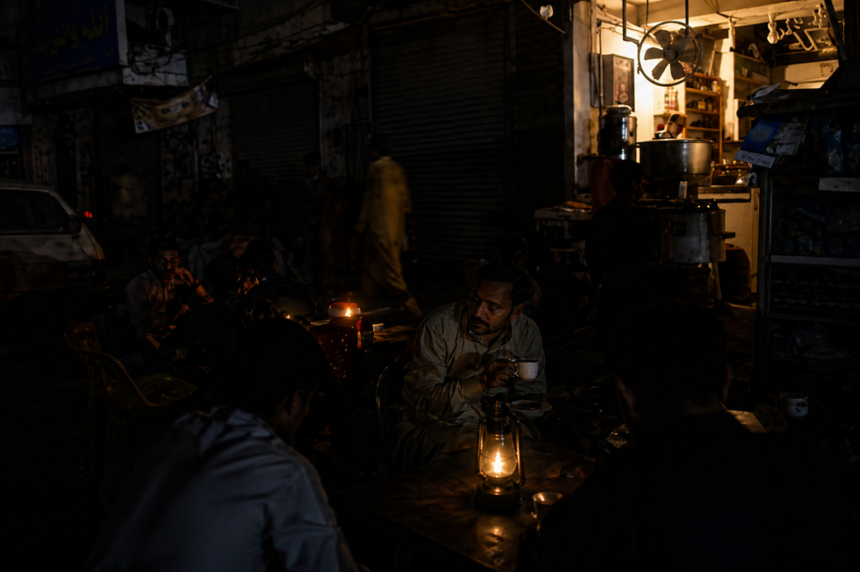
Karachi’s power crisis has shifted from a nuisance to a full-blown emergency. Parts of the city are now enduring up to 20 hours of loadshedding a day, leaving millions to face a punishing heatwave without fans, water, or relief. The outages aren’t just hitting “high-loss” areas anymore. Neighborhoods previously labeled load-exempt now report multiple four-hour blocks of darkness.
It’s a systemic failure that’s paralyzed small businesses and left families scrambling to keep water pumps running. K-Electric blames the crisis on a mix of surging demand and a shortfall in the national grid’s supply. The utility company’s spokespeople say they’re managing “constrained” resources, but that’s cold comfort for residents in Orangi Town, Surjani, or Lyari, where the power rarely stays on long enough to charge a phone. “We can’t sleep, we can’t work, and we can’t even pump water,” says Ahmed Raza, a shopkeeper in Surjani Town.
He’s seen his daily earnings vanish as his stock spoils in the heat. He’s not alone. Spontaneous protests have flared up across the city, with angry citizens blocking main arteries and burning tires to demand a predictable schedule—if not a total end to the blackouts.
The timing couldn’t be worse. With humidity levels making the 40°C heat feel significantly hotter, the risk of heatstroke is climbing. Health officials at the Jinnah Post Graduate Medical Centre have already noted a spike in heat-related exhaustion cases, mostly from low-income areas where the lack of electricity is most acute.
While federal authorities and the provincial government engage in the usual cycle of finger-pointing over fuel payments and subsidies, the reality on the ground remains unchanged. Islamabad claims there’s enough fuel in the system; K-Electric says it isn’t getting the megawatts it needs.
Karachiites are left to fend for themselves in the middle of this bureaucratic deadlock. With no immediate plan to bridge the supply gap, the city’s only real hope lies in a break in the weather—something the meteorological department isn’t promising anytime soon.