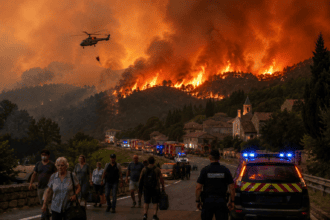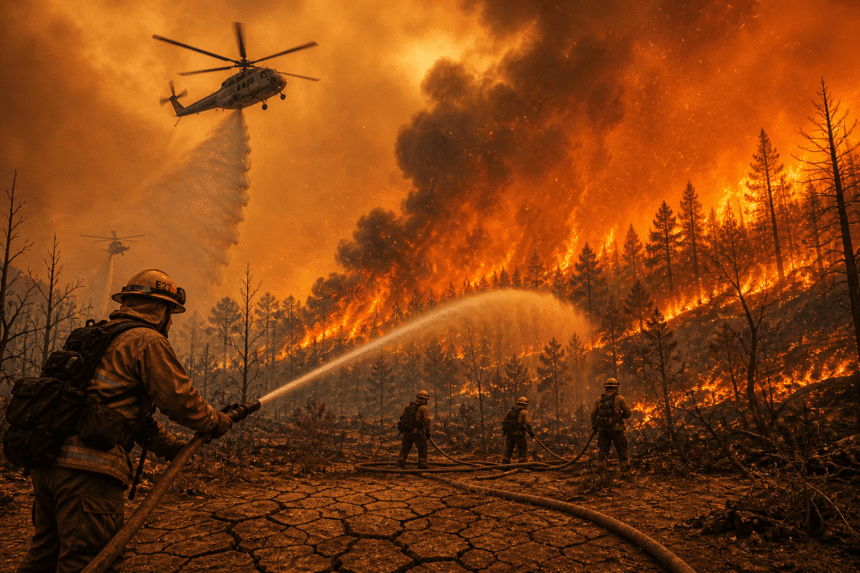
Wildfire seasons are no longer confined to the traditional summer months. Scientists tracking atmospheric conditions report that “fire weather”—a dangerous mix of high heat, low humidity, and strong winds—is now occurring earlier in the spring and lingering well into the autumn.
The shift isn’t just about temperature. Dry vegetation, stressed by persistent heatwaves, acts as a tinderbox. Meteorological data from the past decade shows that the period of peak fire risk has expanded by nearly two weeks in many regions of the Northern Hemisphere compared to the 1980s.
“We are seeing a fundamental shift in the calendar,” says Dr. Elena Rossi, a climate researcher who tracks seasonal burn patterns. “The windows where we’d expect moisture to suppress ignition are shrinking. The landscape is effectively primed for fire much sooner than our historical models predicted.”
The impact of this extension is immediate. Firefighting agencies, once able to rely on a period of relative calm in the spring to conduct controlled burns and equipment maintenance, now find their crews stretched thin year-round. Budget cycles designed for seasonal crises are failing to account for the reality of perpetual, high-stakes monitoring.
Insurance markets are reacting in lockstep. Companies are reassessing risk portfolios as the “off-season” disappears, leading to sharp premium hikes in regions previously considered low-risk. The economic cost of these extended seasons is beginning to dwarf the damage caused by individual, headline-grabbing infernos.
Current atmospheric models suggest this trend will accelerate. As the atmospheric pressure patterns that drive hot, dry winds become more stagnant, the duration of extreme fire weather events is expected to climb.
For communities on the wildland-urban interface, the traditional “fire season” is a relic of the past. The danger is no longer a seasonal threat to be managed; it’s a permanent feature of the modern calendar.