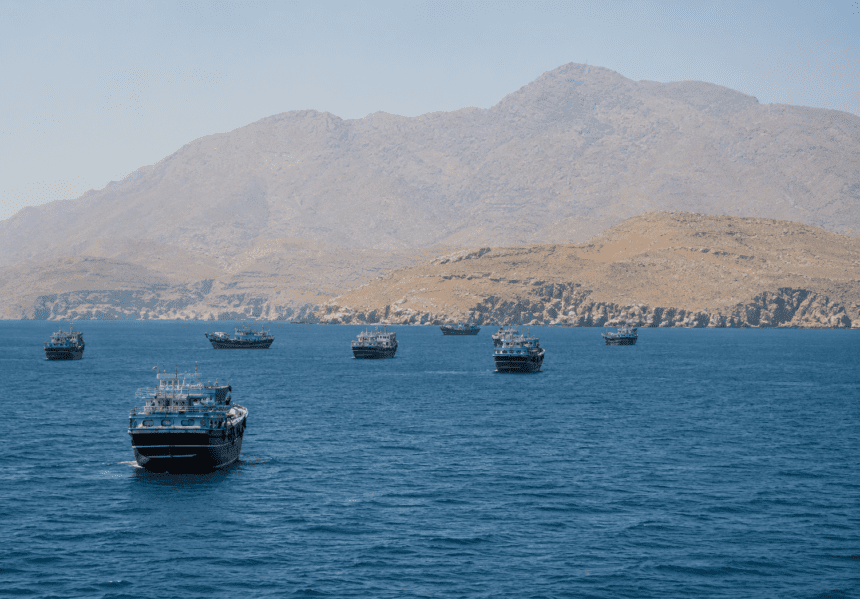
A fragile U.S.-Iran ceasefire looked even shakier on Thursday, May 8, after American forces fired on two Iranian-flagged oil tankers in waters near the Strait of Hormuz, with Washington saying the vessels were trying to break a U.S.-enforced blockade and Tehran calling the move a dangerous new provocation. The episode pushed an already volatile Gulf standoff a step closer to open confrontation again, even as diplomacy remained technically alive.
According to AP’s latest reporting, the U.S. military said it disabled the two tankers after earlier clashes in and around the strait, a corridor that carries a huge share of the world’s oil shipments. The same reporting said the tanker incident followed other military exchanges, including what the U.S. described as an attempted Iranian attack on American naval assets and subsequent strikes on Iranian military targets.
Iran’s response was swift and furious. Tehran accused Washington of breaching the ceasefire and choosing force over diplomacy, while public reporting on remarks from Foreign Minister Abbas Araghchi said he framed the latest U.S. moves as a “reckless military adventure” that undercut negotiations. That language matters. It suggests Iran is trying to cast itself, at least diplomatically, as the side still willing to talk while blaming Washington for dragging the crisis back toward the battlefield.
For its part, the Trump administration has argued that the wider U.S. campaign is about keeping the Strait of Hormuz open and preventing Iran from threatening commercial shipping. In a State Department statement issued May 5, Secretary of State Marco Rubio accused Iran of trying to hold the global economy hostage through threats to ships, sea mines, and attempts to impose tolls in the strait. In separate remarks, Rubio also described “Project Freedom” as an effort to move civilians and vessels trapped by the crisis.
That helps explain why the tanker clash is resonating far beyond Washington and Tehran. The Strait of Hormuz is not just another regional flashpoint; it is one of the world’s most sensitive maritime choke points. Every military incident there immediately feeds fears over shipping disruptions, insurance costs, oil prices, and the risk that a contained conflict could spill across the Gulf. AP reported that concern has already deepened as attacks on ships, missile launches, and retaliatory strikes continue to pile up around the ceasefire.
The political messaging on both sides is getting harder, not softer. Washington says the ceasefire still exists in some form and insists its actions are defensive or tied to freedom of navigation. Tehran says the U.S. is violating the very truce it claims to support. The gap between those two narratives is now so wide that even small incidents at sea carry the risk of turning into something much bigger.
There is still a diplomatic track, at least on paper. The Guardian’s live reporting said backchannel negotiations have continued, with U.S. officials waiting for Iran’s response to a proposal linked to halting hostilities and reopening the strait. But that diplomacy is unfolding under the shadow of near-daily military friction, which makes any lasting de-escalation feel uncertain at best.
For now, the immediate story is simple, and grim: tankers were hit, the ceasefire looks thinner than ever, and the Gulf remains one miscalculation away from another serious rupture. Traders, diplomats and military planners will all be watching the same question over the next 24 hours — whether this was a contained warning shot, or the start of another sharp turn upward in the war.