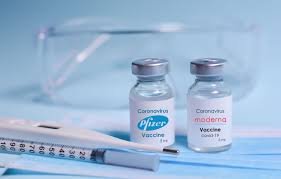
Viral social media claims linking Pfizer’s COVID-19 vaccine to Hantavirus infections have no basis in medical science.Public health agencies and infectious disease experts confirm the two are biologically unrelated, dismissing the rumors as misinformation. Hantavirus is a rodent-borne illness. It spreads through contact with the urine, droppings, or saliva of infected deer mice and other rodents.
It is not a vaccine-preventable disease, nor is it a potential side effect of mRNA technology. “There is no mechanism by which a COVID-19 vaccine could trigger a Hantavirus infection,” said Dr. Elena Rodriguez, a clinical immunologist who has tracked vaccine safety data since 2020. “These are two entirely different pathogens with completely different transmission routes.” Social media posts began circulating the theory last month, citing “internal documents” that have never been authenticated.
Fact-checking organizations, including the CDC and independent medical researchers, have traced the origin of these posts to accounts known for spreading health-related conspiracy theories.
The CDC maintains a rigorous Vaccine Adverse Event Reporting System (VAERS). Since the start of the global rollout, millions of doses of the Pfizer-BioNTech vaccine have been administered. Hantavirus has not appeared in any verified reports of adverse reactions.
The confusion appears to stem from a misunderstanding of how vaccines interact with the immune system.
While vaccines stimulate an immune response, they do not create an environment where unrelated viral or bacterial pathogens like Hantavirus can suddenly manifest.
Health officials warn that relying on social media for medical diagnosis can delay necessary care. Hantavirus Pulmonary Syndrome (HPS), the most severe form of the infection, requires early medical intervention.
If someone suspects exposure to rodent droppings, they should contact a doctor immediately rather than searching for connections to unrelated pharmaceuticals. Misinformation often thrives on conflating unrelated medical terms, but the science remains definitive a vaccine designed to combat a respiratory coronavirus cannot and does not induce a rodent-borne viral infection.