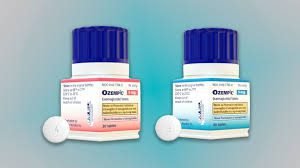
Novo Nordisk is pushing to shift the weight-loss market, moving from weekly injections to a daily pill version of its blockbuster drug, semaglutide. New clinical data suggests this oral form could be the key to making the prohibitively expensive treatment more accessible to a broader patient base.
The high cost of Ozempic and Wegovy often topping $1,000 a month in the U.S. without insurance has kept millions of potential patients on the sidelines. Injectables require a complex, cold-chain supply process and specialized delivery devices, driving up manufacturing costs. A pill, by contrast, relies on established pharmaceutical manufacturing lines that are significantly cheaper to scale.
“The economics of a tablet are fundamentally different,” said industry analyst Sarah Jenkins. “If Novo can prove the oral version is just as effective, they aren’t just changing how patients take the drug; they’re changing the entire pricing floor for GLP-1 medications.
” Recent mid-stage trials indicate that the daily pill, currently being tested under the name amycretin and as a high-dose version of Rybelsus, performs comparably to the injectable pens.
Patients saw similar weight-loss percentages over a 12-week period, though digestive side effects—long the primary complaint with semaglutide remain a hurdle for early adopters. The shift also addresses a major “needle fatigue” issue. Surveys of current users show that nearly 30% of patients skip doses or discontinue the medication entirely due to the discomfort of weekly injections.
A pill removes the physical barrier of self-administration, potentially increasing long-term adherence rates.
However, the path to pharmacy shelves isn’t immediate. Novo Nordisk still faces rigorous late-stage trials to satisfy FDA safety requirements, particularly regarding long-term cardiovascular impact.
They also face a supply chain bottleneck; while pills are easier to make, the global demand for semaglutide has already outstripped the company’s manufacturing capacity.
Even if approved, the “cheaper alternative” promise faces skepticism from insurers. Pharmacy benefit managers are already signaling that if the pill enters the market at a lower price point, it may be bundled into restrictive tiered coverage plans to keep costs contained.
For now, the race is on. Competitors like Eli Lilly are trailing closely with their own oral formulations, turning the weight loss drug market from a specialty injectable niche into a high volume, daily use consumer category.
Whether that volume leads to actual savings at the checkout counter remains the industry’s biggest unanswered question.