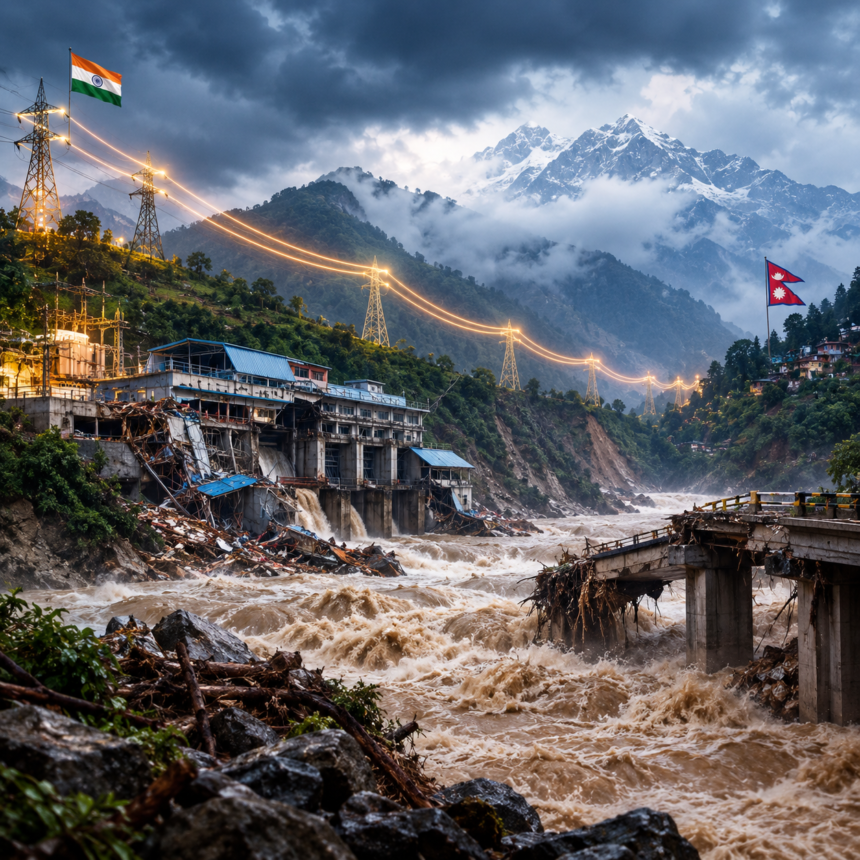
The lights won’t go out in Kathmandu. India’s Ministry of Power has moved to supply additional electricity to Nepal, providing a vital lifeline after devastating monsoon floods severely damaged several of the Himalayan nation’s key hydropower projects.
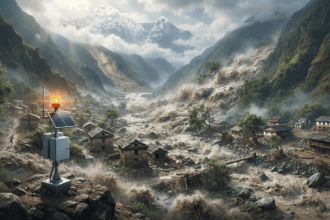
The flooding, which peaked late last month, forced the emergency shutdown of multiple run-of-the-river power plants. With Nepal’s internal generation capacity slashed, the country faced a looming energy deficit that threatened to disrupt industrial hubs and domestic grids alike.
New Delhi’s decision to increase exports via the cross-border power transmission network isn’t just a technical fix—it’s a calculated move to stabilize a neighbor currently grappling with its worst infrastructure damage in years.
“We are committed to supporting Nepal’s energy security during this crisis,” a spokesperson for the Indian power sector said on Tuesday. The arrangement, finalized through high-level diplomatic channels, allows Nepal to draw extra megawatts from the Indian grid at adjusted rates.
For Nepal, the stakes are high. Hydropower is the backbone of its economy and a primary source of export revenue. With turbines clogged by silt and transmission lines snapped by landslides, the government in Kathmandu has been scrambling to prevent rolling blackouts. The Indian supply acts as a bridge while engineers work to clear debris and restore local generation.
This isn’t the first time the two nations have leaned on their energy partnership. Over the past few years, the cross-border power trade has evolved from a simple supply agreement into a complex, integrated market. India currently serves as the primary buyer for Nepal’s surplus energy during the wet season, while Nepal imports power during the lean winter months.
However, this current flow is an emergency measure, not a routine trade. The sheer scale of the damage to Nepal’s infrastructure means the reliance on Indian power will likely persist well into the coming months.
As the waters recede, the focus shifts to the colossal task of rebuilding. For now, the immediate crisis is averted, but the vulnerability of Nepal’s hydropower-heavy grid remains a stark reality for policymakers in Kathmandu.