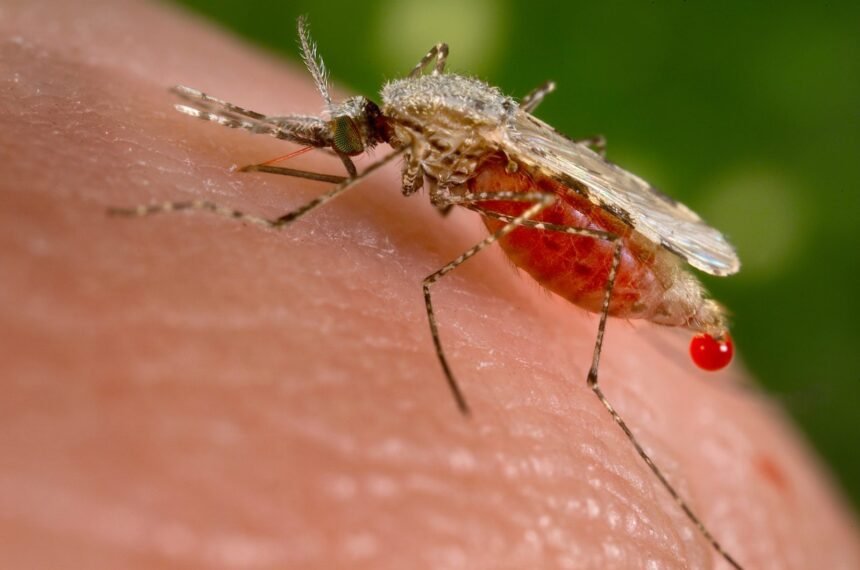
Some people seem to walk through a swarm of mosquitoes untouched, while others are left covered in welts. It’s not just bad luck. It’s biology. Mosquitoes are highly selective hunters. They don’t just land on the nearest warm body; they track specific chemical signatures and physical cues.
If you’re a “mosquito magnet,” your body is likely broadcasting a dinner bell they can’t ignore. The primary attractant is carbon dioxide. Every time you exhale, you release a plume of it. Mosquitoes detect this from up to 100 feet away.
People with higher metabolic rates often larger individuals, pregnant women, or those who have just finished a workout produce more CO2, making them easier targets to track. But CO2 is just the long-range beacon. Once they get closer, other factors take over. Your skin’s unique chemical cocktail is the real deal-breaker. Sweat contains lactic acid, uric acid, and ammonia, all of which act as powerful lures.
When these compounds mix with the bacteria living on your skin, they create a scent profile that some mosquitoes find irresistible. Research suggests that people with a specific microbiome the collection of bacteria on their skin produce higher levels of these attractive odors.
Then there’s the question of blood type. Multiple studies, including a notable trial published in the Journal of Medical Entomology, suggest that mosquitoes are significantly more attracted to people with Type O blood than Type A or B.
It comes down to secretors people who secrete chemical signals through their skin that reveal their blood type. If you’re a Type O secretor, you’re essentially wearing a neon sign for mosquitoes. Temperature and movement also play a role.
Heat is a major close-range attractant. If you’re radiating body heat, you’re a high-priority target. Dark clothing can also work against you. Mosquitoes rely heavily on visual cues to navigate, and high-contrast colors especially black or navy blue make you stand out against the horizon.
Some people even produce natural repellents. Researchers at the London School of Hygiene and Tropical Medicine found that certain individuals produce specific volatile compounds that mask their scent, effectively making them “invisible” to mosquitoes.
These people aren’t just lucky; their chemical makeup acts as a natural deterrent. You can’t change your blood type or your genetic microbiome, but the data is clear: if you want to avoid the bites, skip the dark clothes, stay in the shade to keep your body temp down, and use a repellent with DEET or Picaridin. The bugs are hunting for a specific chemical profile. If you’re a magnet, you’re just the right flavor.