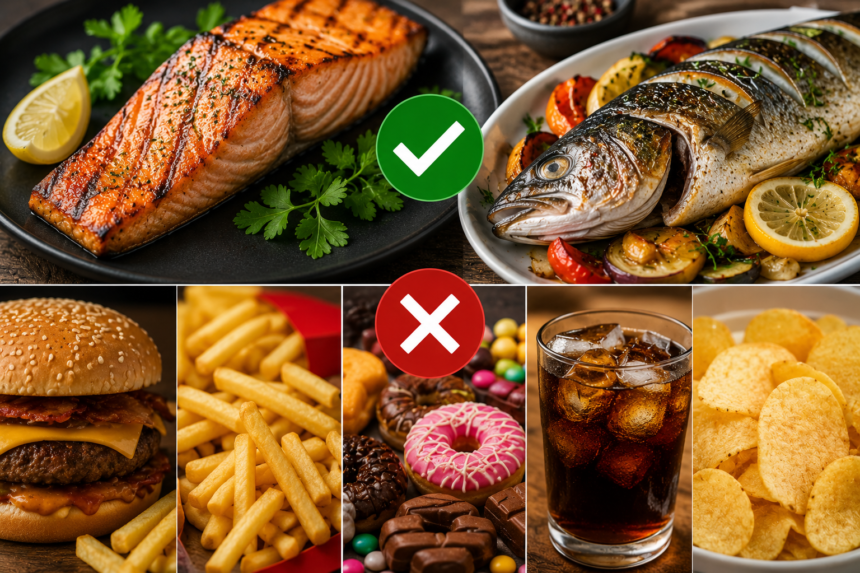
Fish is widely considered one of the most beneficial foods for maintaining a healthy lifestyle, especially when it comes to heart and brain health. Nutrition experts often recommend adding fish to weekly meals because it is rich in high-quality protein, essential vitamins, minerals, and omega-3 fatty acids.
Among the best choices are salmon, sardines, mackerel, tuna, trout, and fresh local fish. These varieties provide important nutrients that help the body function properly. Oily fish, in particular, contains omega-3 fatty acids, which are linked with better heart health and may help reduce inflammation in the body.
Health experts suggest that eating fish once or twice a week can support overall wellness. Regular consumption of fish may help maintain normal cholesterol levels, support brain function, and reduce the risk of heart-related problems. For people who want a balanced diet, fish can be a healthier alternative to red meat or heavily processed meat products.
However, the way fish is cooked also matters. Grilled, baked, steamed, or lightly cooked fish is a healthier option than deep-fried fish. Deep frying can add unhealthy fats and extra calories, which may reduce the health benefits of the meal. A balanced plate with fish, vegetables, salad, and whole grains such as brown rice can make a nutritious and filling meal.
Foods to Avoid for Better Health
While adding healthy foods like fish is important, reducing unhealthy food choices is equally necessary. Nutritionists advise people to limit processed foods, sugary drinks, bakery items, chips, fast food, processed meat, and deep-fried meals.
These foods are often high in added sugar, salt, unhealthy fats, and calories. Regular consumption may contribute to weight gain, high blood pressure, high cholesterol, diabetes, and heart disease. Processed meats such as sausages, nuggets, salami, and frozen ready-made items should also be limited because they often contain high levels of sodium and preservatives.
Sugary drinks are another major concern. Soft drinks, packaged juices, energy drinks, and flavored beverages can increase daily sugar intake without providing real nutrition. Replacing them with water, fresh fruit, or unsweetened drinks can be a simple but effective health improvement.
Why Balanced Eating Matters
A healthy diet does not require extreme restrictions. Instead, it is about making better choices more often. Including fish, fruits, vegetables, whole grains, beans, nuts, and seeds in daily meals can help improve energy levels and support long-term health.
At the same time, reducing fried foods, sugary items, and processed meals can lower the risk of several lifestyle-related diseases. Small steps, such as choosing grilled fish instead of fried food or drinking water instead of soda, can create meaningful health benefits over time.
Conclusion
Fish is a powerful and nutritious food that can play an important role in a heart-friendly diet. Eating fish once or twice a week, choosing healthier cooking methods, and avoiding processed or fried foods can help protect the heart, support brain health, and improve overall wellness. For better long-term health, people should focus on balanced meals, fresh ingredients, and mindful eating habits.