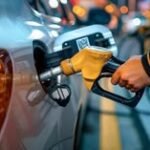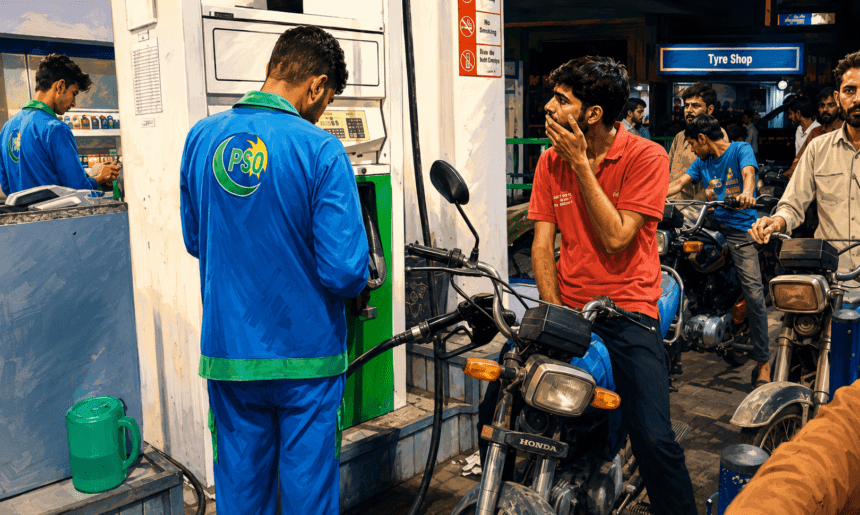
ISLAMABAD: The federal government has reduced the prices of petrol and high-speed diesel for the second week in a row, offering some relief to consumers facing unusually high fuel costs and stubborn inflationary pressure.
According to a notification issued by the Petroleum Division, the price of petrol has been lowered by Rs6 per litre, bringing the new rate to Rs403.78 per litre. The price of high-speed diesel, widely used in heavy transport, agriculture and freight movement, has been cut by Rs6.80 per litre to Rs402.78 per litre. The revised prices took effect from May 23, 2026.
The latest adjustment follows another reduction announced last week, when the government cut both petrol and diesel prices by Rs5 per litre. That makes this the second straight weekly cut after a period of sharp increases driven by turbulence in global oil markets.
Petrol is used mainly by private cars, motorcycles, rickshaws and smaller vehicles, which means any change in its price is felt quickly by urban commuters and middle-income households. Diesel has a wider knock-on effect because it powers trucks, buses, farm machinery and generators; a fall in diesel prices can ease transport and logistics costs, though the impact is usually gradual rather than immediate.
The price cut comes just ahead of Eid ul Adha, a period when travel, livestock movement and commercial transport typically pick up across the country. Pakistan Today’s Profit reported that the timing could bring some relief to households and businesses dealing with increased pre-Eid movement.
Still, fuel remains expensive by ordinary household standards. Earlier this year, Pakistan saw major fuel-price shocks as global crude and refined product markets reacted to conflict in the Middle East. Reuters reported in March that Pakistan raised fuel prices by roughly 20%, and in April the government again sharply increased petrol and diesel prices, citing a surge in international oil prices linked to the US-Iran conflict and broader regional instability.
At the time, Petroleum Minister Ali Pervaiz Malik said the price increase had become unavoidable because of global market pressure, while Finance Minister Muhammad Aurangzeb announced targeted relief for groups such as small farmers, motorcyclists and transport operators. Reuters also noted that Pakistan relies heavily on imported oil, much of it moving through the Strait of Hormuz, leaving domestic fuel prices exposed to regional supply risks.
For now, the latest reduction will be welcomed by motorists and transporters, even if it doesn’t fully reverse the steep increases seen over the past few months. The government is expected to continue reviewing petroleum prices weekly as international oil markets remain volatile.