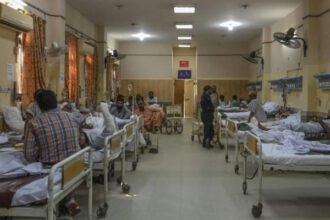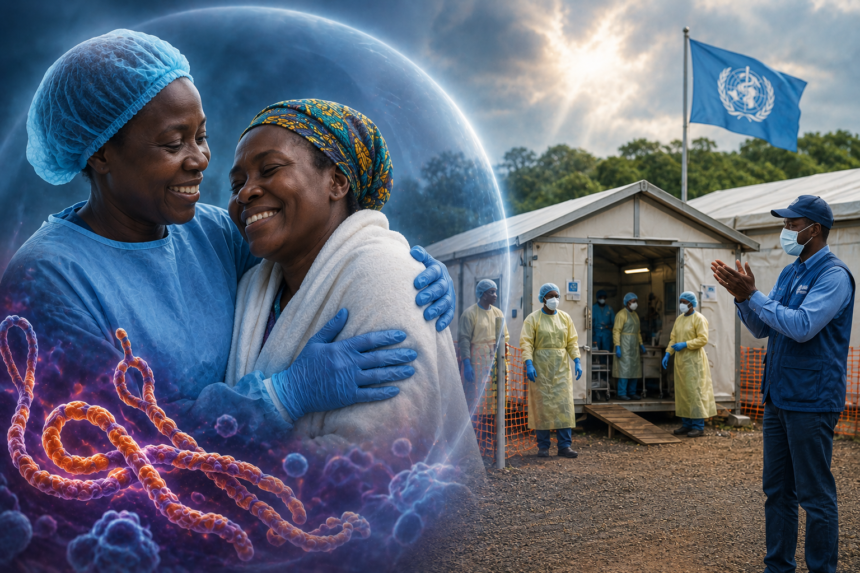
GOMA — World Health Organization Director-General Tedros Adhanom Ghebreyesus confirmed five patients have recovered from Ebola in eastern Democratic Republic of Congo this week. The news offers a rare moment of optimism as the region grapples with a persistent, volatile outbreak. The recoveries coincide with the opening of a specialized treatment facility in a remote district of North Kivu. Health officials hope the center will bridge a critical gap in care, allowing medical teams to reach patients who previously faced days of travel to receive basic supportive therapy.
“These recoveries prove that early intervention remains our strongest weapon,” said Dr. Tedros during a briefing. He stopped short of declaring the outbreak contained, noting that the virus continues to circulate in areas where security concerns hinder vaccination efforts. The new center, equipped with modern isolation units and rapid-testing laboratories, represents a shift in strategy.
Rather than relying on centralized hubs in urban centers, the WHO and local partners are moving facilities closer to the “hot zones” the villages where transmission chains are most difficult to track.
Despite the addition of new beds, the mission faces significant friction. Armed groups operating in the region have repeatedly targeted healthcare workers, labeling them as outsiders. This distrust has led to instances where families hide symptomatic relatives, inadvertently fueling the spread of the virus.
For the five patients discharged this week, the recovery marks the end of a grueling ordeal. They were treated with a combination of monoclonal antibodies and aggressive fluid replacement protocols that have significantly lowered mortality rates compared to previous years. But for every patient released, dozens remain at risk.
The virus’s ability to hide in plain sightai ded by porous borders and a deep-seated suspicion of medical authorities means the current progress could be undone in weeks. The WHO’s focus now shifts to the next 14 days, a critical window for monitoring contacts.
If the new treatment center can maintain its current pace without further security disruptions, health officials might finally gain the upper hand in a conflict that has claimed hundreds of lives since the latest flare-up began.