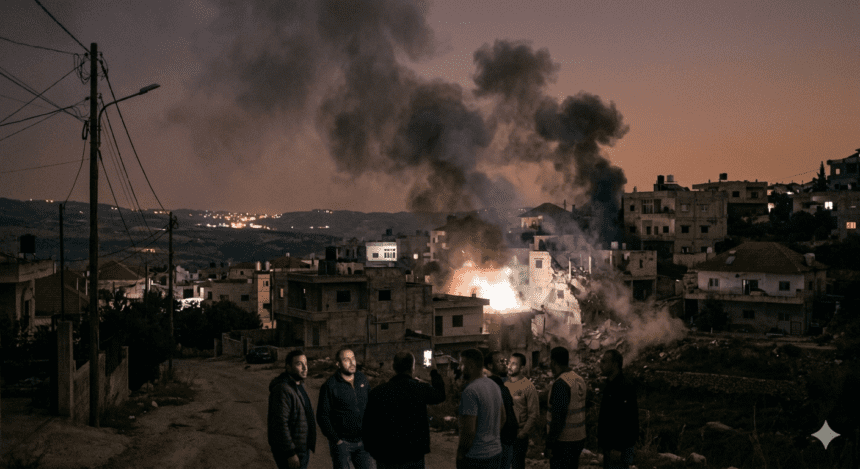
Tensions Remain High Despite Efforts to Prevent Wider Escalation
Israeli forces carried out a series of strikes in southern Lebanon after stepping back from an earlier threat to launch a major attack on Beirut, highlighting the fragile security situation in the region.
The development follows intense diplomatic efforts aimed at preventing a broader conflict. International mediators had sought to ease tensions after warnings of possible attacks on Beirut raised concerns about a significant escalation in hostilities.
Despite avoiding a large-scale strike on the Lebanese capital, Israeli military operations continued in southern Lebanon, where artillery and airstrikes targeted areas believed to be linked to armed groups operating near the border. Military officials said the operations were part of ongoing efforts to address security threats.
The situation remains highly volatile, with reports indicating that both sides have continued limited military activities despite calls for restraint. Efforts to establish a broader ceasefire have so far achieved only partial success, leaving the risk of renewed escalation unresolved.
Regional and international leaders have urged all parties to avoid actions that could further destabilize the region. Diplomatic discussions are continuing as officials seek ways to reduce tensions and prevent the conflict from expanding beyond current battle zones.
Humanitarian organizations have expressed concern over the impact of the fighting on civilians, particularly in southern Lebanon, where thousands of residents have been displaced by ongoing military operations. Aid agencies continue to monitor the situation and provide assistance to affected communities.
Analysts say the coming days will be critical in determining whether diplomatic efforts can lead to a more sustainable reduction in hostilities or whether the region will face another cycle of escalation.