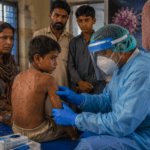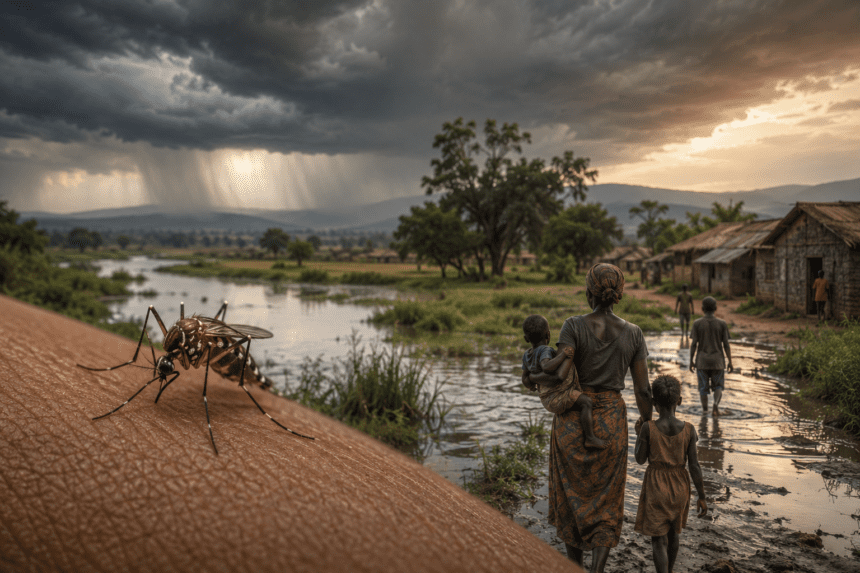
Climate change is accelerating the spread of malaria across southern Africa, with rising temperatures and heavier rainfall creating ideal conditions for mosquito breeding and disease transmission. Health experts warn that the trend is threatening regional efforts to eliminate the disease.
In South Africa’s malaria-endemic provinces, including Mpumalanga, malaria cases increased sharply in early 2026. According to health authorities, cases in Mpumalanga were four times higher in January than during the same period last year.
Scientists say warmer weather speeds up mosquito development and shortens the incubation period of the malaria parasite, while heavy rains and flooding leave behind stagnant water that serves as breeding sites. These changing conditions are expanding malaria risk into areas previously considered low-risk.
The impact is being felt across the region. Namibia, Zimbabwe, and Mozambique have also reported significant increases in malaria cases following heavy rains and flooding earlier this year.
Public health officials caution that climate-driven outbreaks could undermine South Africa’s goal of eliminating malaria by 2029 and place additional pressure on already stretched healthcare systems.