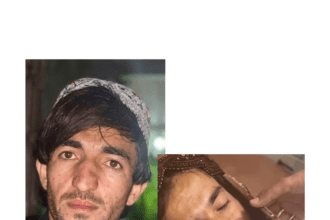
Karachi police shot and killed a suspect during an alleged encounter in the Manghopir area early Tuesday, claiming the man was responsible for the abduction and brutal murder of a six-year-old girl earlier this month.
The suspect, identified by investigators as 32-year-old Aslam, died on the spot after an exchange of fire near the Northern Bypass. Police officers involved in the operation said they had tracked the suspect to a hideout based on forensic evidence and mobile phone tracking.
“We cornered him around 4:00 a.m.,” said a senior police official familiar with the operation. “He opened fire as soon as he saw the team. We returned fire, and he was neutralized.”
The case gripped the neighborhood last week after the victim, a resident of a low-income settlement in Orangi Town, went missing while playing outside her home. Her body was recovered from a vacant lot three days later, sparking intense protests and demands for immediate police action.
Families in the area have long complained about lax security, and the incident reignited debates over the city’s inability to protect its most vulnerable. While the police claim this encounter brings closure to the family, human rights observers remain skeptical of the “encounter” narrative.
Legal experts point out that extrajudicial killings often bypass the judicial process, leaving families without a trial that could uncover potential accomplices or systemic failures that allowed the crime to happen in the first place.
For the victim’s family, the news of the suspect’s death arrived without a courtroom verdict. As authorities prepare to close the case file, the neighborhood is left grappling with the reality of a tragedy that, for many, still feels far from resolved.