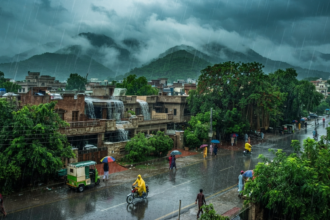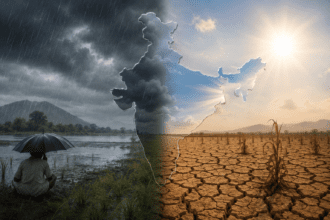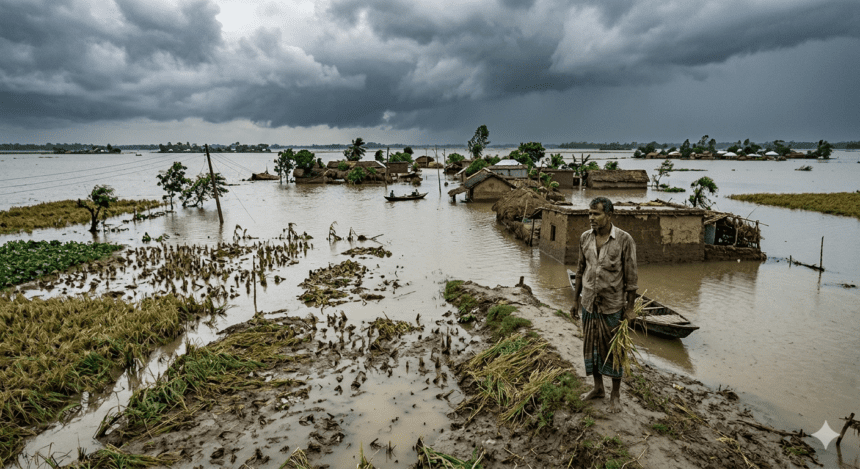
The agriculture sector—the backbone of the national economy—suffered a staggering Rs430 billion loss during the 2025-26 fiscal year as catastrophic floods wiped out vast swathes of standing crops. According to the latest Economic Survey, the disaster crippled production targets and forced the government to pivot from an export-oriented strategy to emergency food security management.
The damage goes beyond simple crop loss. Millions of farmers saw their livelihoods vanish in weeks, leaving small-scale growers in the worst-hit districts unable to secure credit for the next planting cycle.
“We aren’t just looking at a seasonal dip,” said a senior official at the Ministry of National Food Security. “We are looking at a fundamental disruption to the supply chain that will keep food prices volatile well into the next year.”
Wheat and cotton were the hardest hit. Wheat production fell nearly 12% below the target, forcing the state to increase import quotas to prevent a domestic shortage. Cotton, a vital raw material for the textile industry, fared even worse; the loss of harvest has already triggered layoffs in major industrial hubs like Faisalabad and Karachi.
The survey paints a grim picture of infrastructure decay as well. Irrigation channels, rural roads, and storage silos were destroyed in the deluge, leaving the harvest vulnerable to rot and pests. While the government has pledged a relief package, critics argue the funds are too little to cover the scale of the destruction.
Economists are now revising growth projections downward. With agriculture contributing significantly to the GDP, the Rs430 billion hit is expected to drag down overall economic performance, complicating ongoing efforts to stabilize the currency and manage external debt.
The government’s primary challenge now is not just recovery, but survival. Unless the promised relief reaches the rural heartlands before the next sowing season, the country risks a secondary crisis: a permanent loss of cultivated land and a massive spike in rural-to-urban migration.
The numbers are clear, but the human cost—the families unable to replant—remains the real story of this fiscal year.