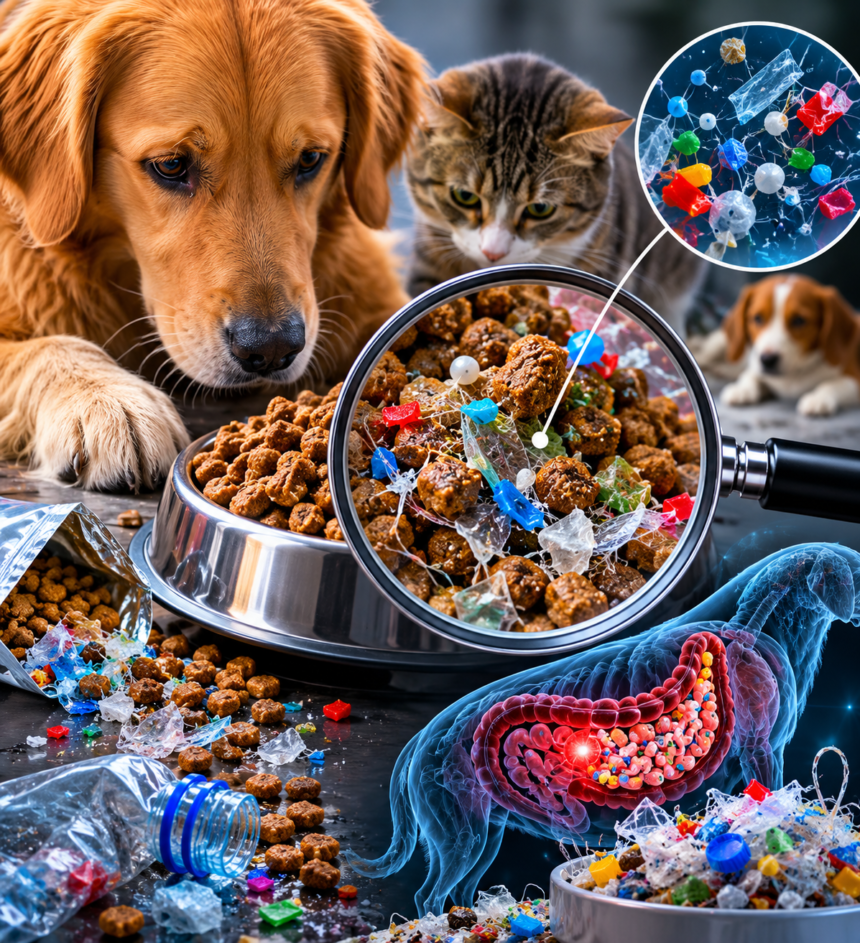
Your dog’s kibble might be hiding more than just protein and grain. A recent investigation revealed that over 75% of commercial pet food samples contain measurable levels of microplastics, raising fresh alarms about the hidden ingredients in domestic animal diets.
The study, which analyzed a variety of wet and dry food products, identified fragments of polymers—the building blocks of plastic—embedded within the manufacturing supply chain. These particles aren’t just surface contaminants; they are integrated into the processing cycle, often leaching into the food during the grinding or extrusion stages of production.
Pet owners have long scrutinized ingredient labels for fillers and preservatives. Now, they face an invisible contaminant that doesn’t appear on any packaging.
“The presence of these particles isn’t an accident,” said one researcher familiar with the study. “It’s a byproduct of the industrial machinery and the packaging materials that break down long before the food reaches the bowl.”
For a dog or cat, the health implications remain the subject of urgent debate. While the long-term toxicity of consuming plastic polymers is still being mapped, veterinarians are concerned about the cumulative effect. These fragments can cause inflammation in the digestive tract and potentially carry chemical additives—like phthalates or BPA—directly into the bloodstream of the animal.
The industry has largely remained silent on the findings. Most major pet food manufacturers cite existing safety standards, arguing that their products meet current regulatory requirements. But those standards were written before microplastic contamination was recognized as a systemic issue in the global food chain.
The scope of the problem extends beyond the factory floor. Much of the plastic identified in the study originated from the very bags that keep the food “fresh.” When kibble is stored in plastic-lined packaging for months, friction and temperature fluctuations cause microscopic shreds of the lining to migrate into the product.
As pet owners demand more transparency, the onus is shifting toward manufacturers to rethink their supply lines. Until then, the bowl on your kitchen floor might be serving up a side of synthetic waste alongside dinner.