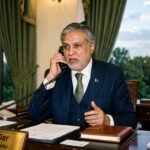
Foreign Minister Ishaq Dar suggested Tuesday that a diplomatic breakthrough between the United States and Iran in Switzerland might have occurred months ago, had Israel not escalated its military campaign in Lebanon.
Speaking to journalists in Islamabad, the deputy prime minister argued that the regional security landscape shifted violently after the onset of Israeli strikes on Hezbollah targets. According to Dar, these hostilities effectively froze the back-channel communication tracks that were gaining traction at the time.
“The window for engagement was open, but the situation in Lebanon acted as a circuit breaker,” Dar said. He did not provide specific names of the intermediaries involved, but he noted that the regional instability forced both Tehran and Washington to prioritize immediate security concerns over long-term diplomatic normalization.
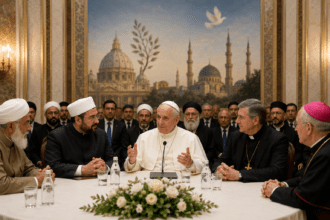
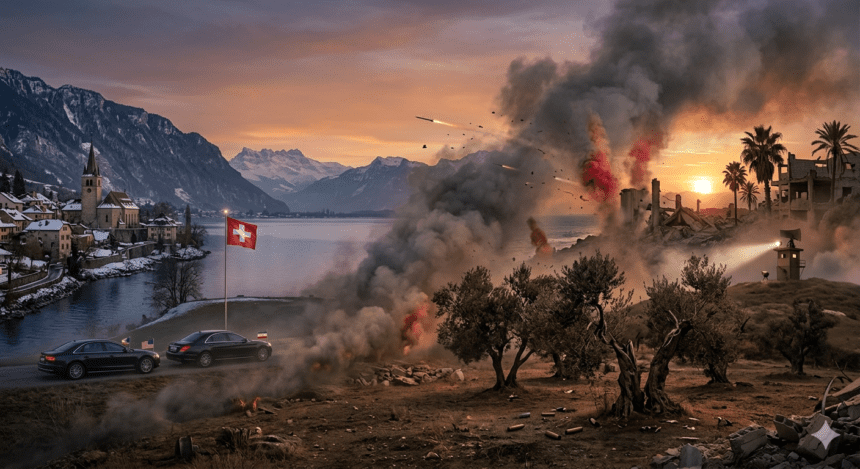
The comments follow reports of a meeting in Switzerland aimed at de-escalating tensions across the Middle East. While neither Washington nor Tehran has officially confirmed the details of the discussions, the meeting is being viewed by regional analysts as a tentative attempt to prevent a wider conflict.
The timing of the talks suggests a desperate bid for stability. With the threat of a full-scale regional war looming, both sides are under pressure to find a mechanism that keeps their respective proxies—and their own military assets—from direct confrontation.
For Pakistan, the stakes are domestic as much as they are regional. Islamabad has long maintained that it cannot afford to pick sides in the Middle East, yet the economic fallout of regional instability—specifically rising fuel costs—continually impacts the country’s fragile recovery.
Dar’s remarks place the burden of the current diplomatic deadlock squarely on the intensification of the conflict in Lebanon. Whether this assessment holds up under the scrutiny of international intelligence or serves as a strategic narrative remains a point of contention for foreign policy observers.
What is clear is that the diplomatic space for maneuver is shrinking. If the Switzerland talks fail to produce a tangible cooling-off period, the “earlier opportunity” Dar referenced may be the last one for some time.