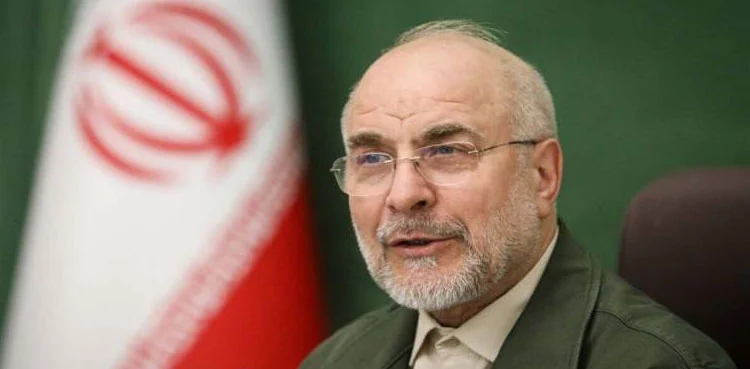
Tehran, Iran — Iranian officials have described a recently announced agreement aimed at ending a conflict in the Middle East as a “declaration of U.S. defeat,” arguing that the outcome reflects the failure of Washington’s regional policies and military strategies.
Speaking to local media, senior Iranian representatives claimed that the agreement demonstrates the inability of the United States to achieve its objectives through pressure and military involvement. Officials stated that resistance movements and regional actors had successfully challenged what they described as foreign intervention in the region.
The remarks come after diplomatic efforts led to an agreement intended to reduce hostilities and prevent further escalation of violence. While details of the arrangement vary depending on the parties involved, supporters of the deal say it could help stabilize parts of the Middle East that have been affected by prolonged conflict.
Iranian leaders portrayed the development as evidence that political dialogue and local solutions are more effective than external military action. They argued that regional countries should take primary responsibility for resolving disputes and maintaining stability.
However, U.S. officials and their allies have offered a different interpretation, presenting the agreement as a diplomatic achievement that could help save lives, reduce tensions, and create conditions for future negotiations. They reject suggestions that the deal represents a strategic defeat and instead emphasize the importance of diplomacy in addressing complex regional crises.
Political analysts note that competing narratives often emerge following major diplomatic agreements, with governments seeking to present outcomes in ways that support their domestic and foreign policy objectives. Such differing interpretations can influence public opinion and shape future political discussions.
The latest statements highlight the continuing rivalry between Iran and the United States, whose relations have remained strained for decades due to disagreements over regional security, sanctions, and broader geopolitical issues.
Experts caution that while the agreement may reduce immediate tensions, lasting peace will depend on the willingness of all parties to uphold commitments, engage in continued dialogue, and address the underlying causes of conflict.
As reactions continue to emerge from across the region, the agreement is likely to remain a focus of international attention. Whether it ultimately leads to greater stability or becomes another contested chapter in Middle Eastern diplomacy will depend on developments in the months ahead.
For now, Iran’s characterization of the deal as a “declaration of U.S. defeat” underscores the sharply different perspectives that continue to define political discourse surrounding major events in the Middle East.