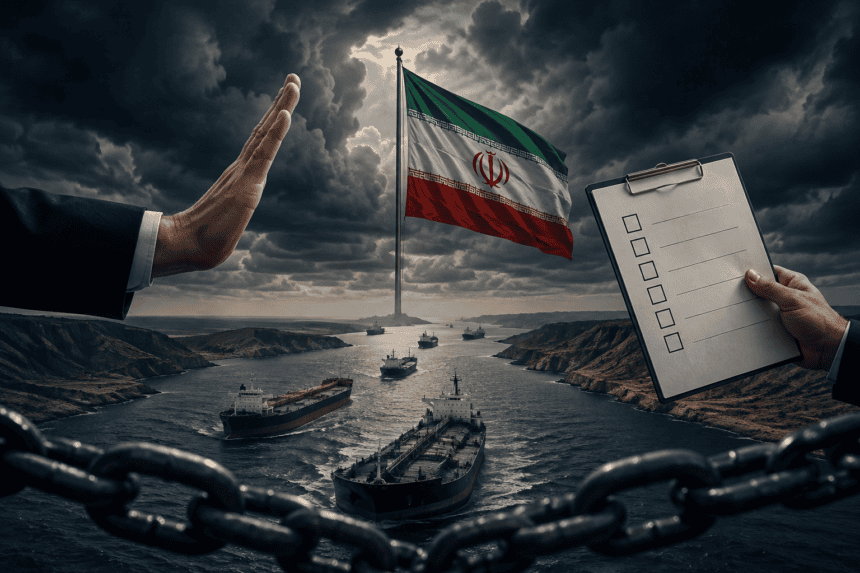
Tehran has set a fresh, rigid list of conditions for the reopening of the Strait of Hormuz, effectively cooling recent diplomatic optimism regarding the global shipping bottleneck.
The demands, delivered through state-aligned channels late Tuesday, shift the goalposts for international negotiators who had spent the last week pushing for a de-escalation of maritime tensions. Iran is now conditioning the passage of commercial vessels on the immediate removal of specific Western naval assets from the Gulf and the easing of long-standing sanctions on its petrochemical sector.
For the global shipping industry, this is a direct blow to hopes of a swift return to normalcy. Roughly 20% of the world’s petroleum passes through this narrow waterway. Every day the strait remains under threat, insurance premiums for tankers spike, forcing energy markets to price in a “fear premium” that filters down to consumers at the pump.
“We aren’t looking for a compromise on sovereignty,” a senior Iranian official said in a televised address, framing the new requirements as a matter of national security rather than a bargaining chip. The statement signals that Tehran is willing to endure further economic isolation to maintain its leverage over the transit route.
Western officials—who spoke on condition of anonymity due to the sensitivity of the ongoing talks—expressed frustration at the timing. Diplomatic backchannels had been humming with talk of a potential “buffer zone” agreement. That momentum has now stalled. The U.S. Fifth Fleet, currently stationed in Bahrain, has maintained its posture in the region, declaring that it will continue to patrol international waters regardless of Tehran’s latest declarations.
This isn’t just about oil flow; it’s a standoff over regional influence. By tightening its grip on the Strait, Tehran is testing the resolve of the international coalition tasked with protecting maritime trade.
With the new list of demands now on the table, the prospect of a negotiated settlement looks increasingly distant. Analysts expect the standoff to persist through the month, leaving shipping firms to weigh the high cost of rerouting vessels against the risk of navigating the world’s most volatile maritime corridor.