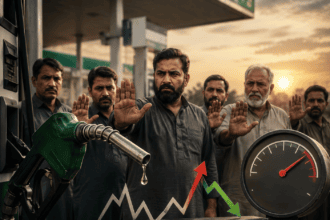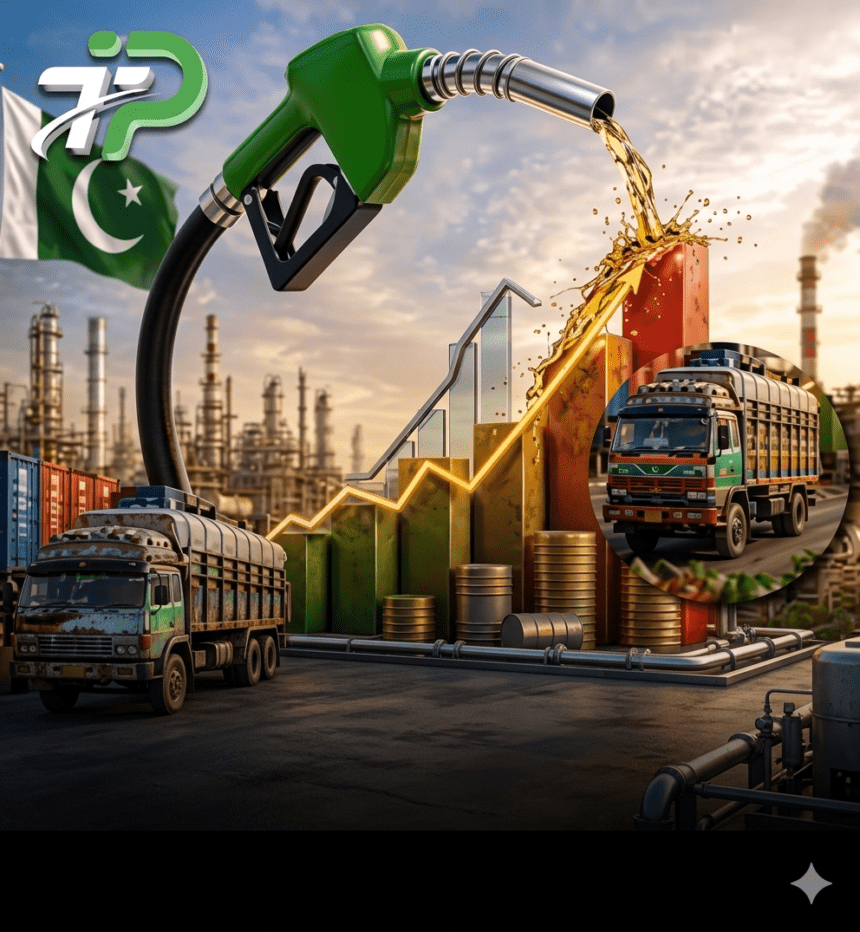
KARACHI — The Oil Companies Advisory Council (OCAC), representing Pakistan’s structural refining and oil marketing sectors, issued a stark warning to the federal government on Wednesday, cautioning that the country’s downstream fuel supply chain faces an imminent risk of disruption.
The warning was delivered via an emergency letter dispatched to the Ministry of Energy (Petroleum Division), following a sharp drop in domestic petrol and diesel prices. In the communiqué, the council accused the government of enforcing unilateral, politically motivated pricing decisions that have effectively pushed the oil industry into a severe liquidity crisis.
According to financial impact data compiled by the OCAC, the government’s recently implemented structural pricing formula has inflicted a combined loss of Rs 104 billion upon domestic oil marketing companies (OMCs) and refineries. The council argued that the treasury is unfairly shifting the burden of public fiscal relief directly onto corporate balance sheets, severely depleting the industry’s working capital.
The industry body highlighted several critical pressure points exacerbating the financial gridlock:
-
Stagnant Profit Margins: Regulated profit margins for oil marketing companies have remained entirely stagnant without an upward revision for nearly 2.5 years, despite soaring operational overheads.
-
Unpaid Sovereign Dues: OMCs are currently carrying Rs 66.7 billion in outstanding, unpaid dues from the government, crippling corporate liquidity.
-
National Service Burdens: The council noted that local refineries have consistently maintained nationwide fuel distribution and supplied fuel at subsidized, legacy rates to the military and Hajj flight operations in the supreme national interest.
The OCAC warned that if the state continues to impose arbitrary price cuts without consulting industry stakeholders, weaker oil firms will face imminent bankruptcy, and foreign energy investors may entirely divest from Pakistan. The council has demanded an urgent, high-level meeting with the Federal Minister for Petroleum to establish a transparent, sustainable, and collaborative pricing mechanism before supply line failures manifest at retail stations.