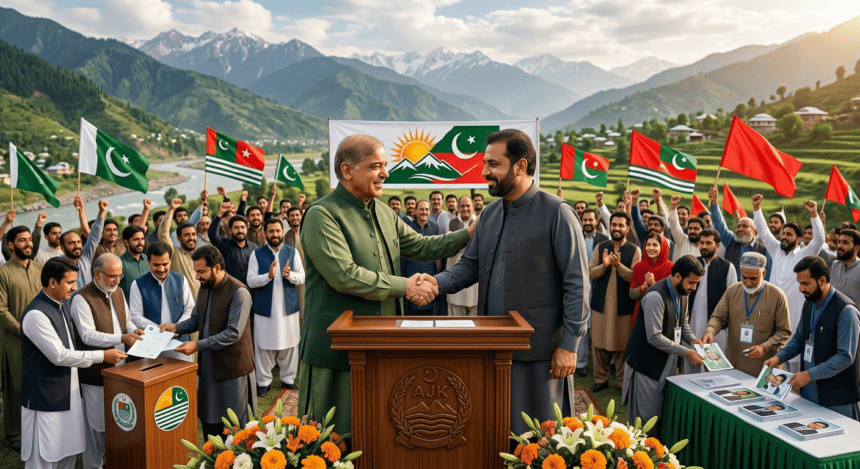
The Muttahida Qaumi Movement-Pakistan (MQM-P) has pulled its candidates from the upcoming Azad Jammu and Kashmir (AJK) legislative elections, clearing the path for the Pakistan Muslim League-Nawaz (PML-N) in key constituencies.
The decision follows rounds of back-channel negotiations between the two parties. By stepping aside, the MQM-P aims to consolidate the vote bank for the ruling coalition, preventing a split that could have favored opposition candidates in regions where the MQM-P maintains pockets of influence.
For the PML-N, the withdrawal offers a much-needed tactical advantage. The party has been working to secure a stable majority in the AJK assembly, and the removal of MQM-P contenders eliminates a persistent hurdle in urban-leaning segments of the polls.
“We believe in political stability and supporting our allies for the greater good of the region,” a senior MQM-P leader told reporters on condition of anonymity. He wouldn’t confirm if the deal includes future electoral adjustments in Karachi, though political insiders suggest the move is part of a broader “give-and-take” arrangement ahead of the general elections.
The opposition, however, has dismissed the alliance as a “seat-adjustment game” that ignores the actual concerns of Kashmiri voters. Critics argue the move highlights the transactional nature of regional politics, where ideological platforms are often sidelined for short-term parliamentary math.
Despite the withdrawal, the electoral landscape remains volatile. Independent candidates and localized party factions continue to hold sway in several districts, and whether this alliance will translate into a decisive victory for the PML-N remains the central question for observers on the ground.
With the polls fast approaching, the focus now shifts to how these consolidated votes will actually perform at the ballot box. The real test isn’t the alliance itself, but whether the MQM-P’s voter base follows the directive to support the PML-N on election day.