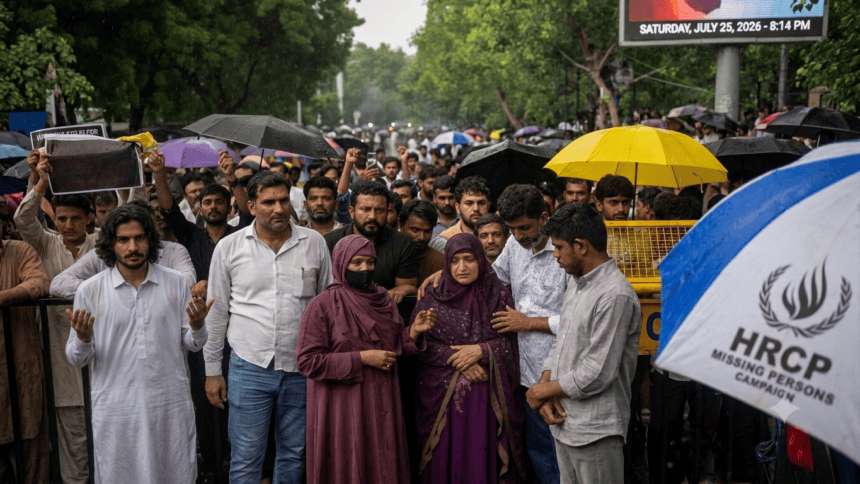
NEW DELHI — India’s Education Minister Dharmendra Pradhan resigned on Saturday following nearly two months of escalating nationwide protests triggered by high-profile paper leaks during the National Eligibility-cum-Entrance Test (NEET), the country’s highly competitive medical college admission exam. More than two million students sat the pen-and-paper test in May, but the subsequent discovery of a widespread test-selling scheme led federal authorities to cancel the initial results and mandate a rigorous retake. The decision plunged candidates back into extreme academic stress and profound uncertainty, sparking a wave of tragic student suicides across multiple states, including the heart-wrenching deaths of 19-year-old Sheikh Sana and 22-year-old Pradeep Kumar.
The tragic losses have catalyzed a powerful youth-led movement spearheading massive demonstrations at New Delhi’s Jantar Mantar and other major metropolitan hubs. Orchestrated by Gen Z activist groups like the Cockroach Janta Party (CJP), the unrest has evolved from immediate demands for investigation into a systemic critique of India’s education system, commercialized private coaching hubs, and high youth unemployment rates. In mid-May, the Central Bureau of Investigation (CBI) arrested 13 suspects, including teachers and doctors associated with illicit tuition rings. While Prime Minister Narendra Modi publicly promised strict action via fast-track courts, opposition lawmakers paralyzed parliament to demand top-level accountability. In a statement published on X, the outgoing education minister noted that he deeply respected the legitimate expectations and aspirations of the country’s youth.