Karachi: In a remarkable display of innovation, female students in Karachi have developed and demonstrated Pakistan’s first practical footstep-powered electricity generation system, introducing a sustainable technology that converts the pressure of footsteps into electrical energy.
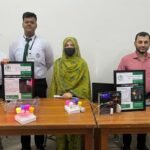
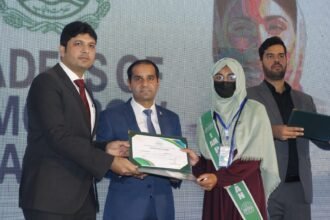
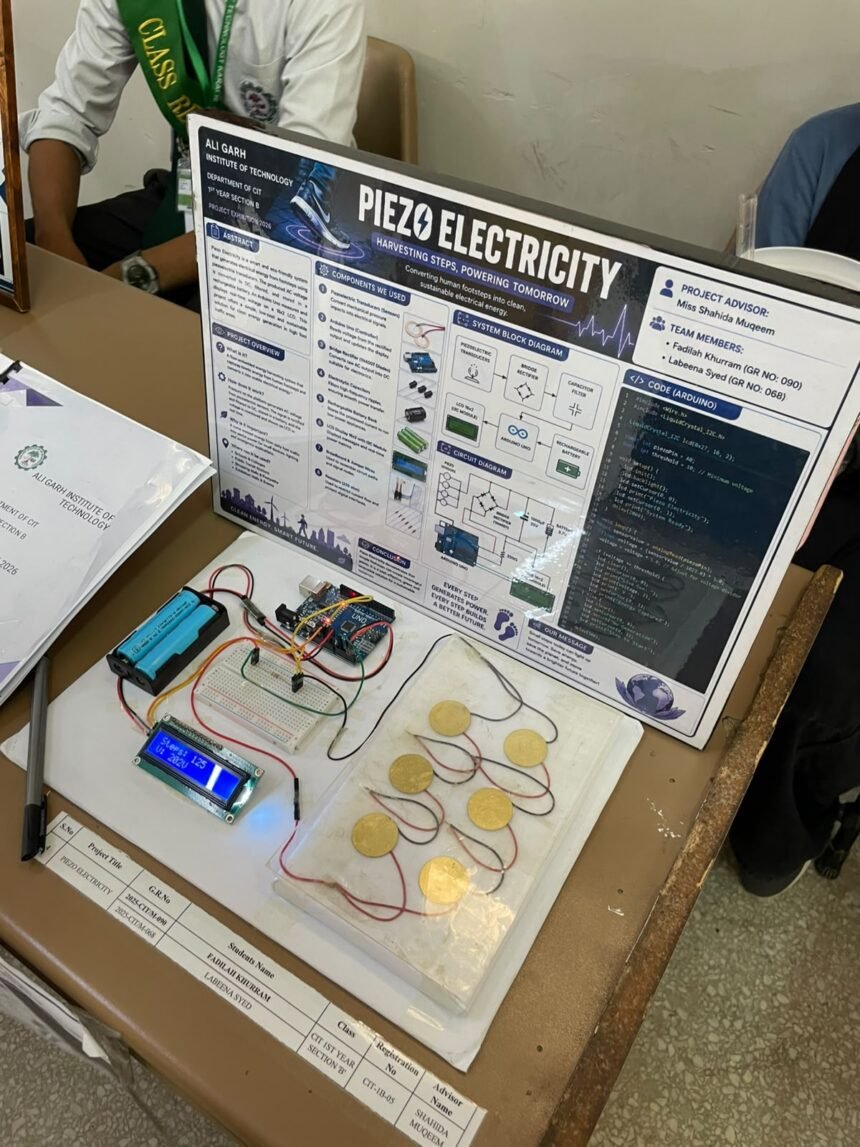
The project was presented at the Aligarh Institute of Technology (AIT) Project Exhibition 2026 by first-year CIT Department students Fadeela Khurram and Lubaina Syed under the supervision of Shahida Muqeem. The innovative system aims to provide an affordable and environmentally friendly solution to Pakistan’s growing energy challenges.
Speaking to the media during the exhibition, student Fadeela Khurram explained that the technology generates electricity through the pressure created when people walk on specially designed floor tiles. Unlike solar energy systems, the technology does not rely on sunlight and can operate continuously during both the day and night.
According to the students, the energy-harvesting tiles can be installed in locations with heavy pedestrian traffic, including schools, colleges, shopping malls, railway stations, parks, walking tracks, airports, bus terminals, and even speed breakers. In such high-footfall areas, the system has the potential to generate thousands of units of electricity every day.
Fadeela said the current prototype costs approximately Rs. 5,000 per square foot. However, she noted that large-scale commercial production could significantly reduce manufacturing costs, making the technology more affordable and suitable for widespread adoption.
The students believe that installing these smart tiles across educational institutions and public spaces could provide a continuous and economical source of electricity while reducing dependence on conventional energy sources. The project also highlights the growing role of young Pakistani innovators in developing practical, clean-energy solutions for the country’s future.
Educationists, engineers, and industry professionals attending the exhibition praised the project for its creativity and real-world application, describing it as a promising step toward promoting renewable energy, technological innovation, and sustainable development in Pakistan.