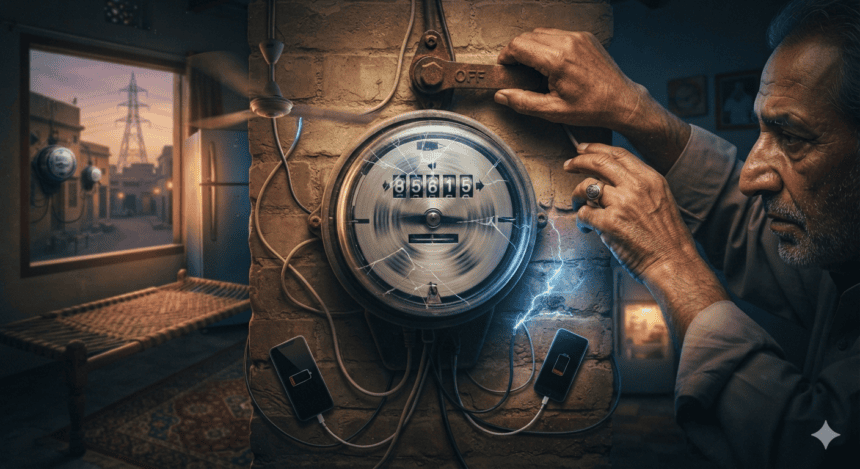
Pakistan’s electricity consumers are facing another round of tariff hikes. The government is moving to increase the base electricity tariff by Rs1.20 per unit, a decision expected to be implemented nationwide through a fresh adjustment in the national power schedule.
The hike stems from the quarterly tariff adjustment mechanism. While the government has yet to issue a formal notification, the move aims to bridge the widening revenue gap created by rising operational costs and the persistent circular debt crisis. For the average household, this translates to a direct hit on monthly budgets, which are already strained by record-high inflation.
Power sector analysts point to the inefficiency of the distribution companies (DISCOs) as the primary engine driving these recurring price spikes. Losses in the transmission system and low recovery rates mean that paying consumers are effectively subsidizing the waste within the grid.
“The system is bleeding cash,” said one energy consultant familiar with the power sector’s audit. “Every time the government fails to fix the structural leaks, they look to the tariff. It’s a temporary patch on a systemic failure.”
The proposed increase follows a pattern of monthly and quarterly adjustments that have pushed electricity prices beyond the reach of many middle-class families. Industrialists have also warned that this latest tariff climb will further erode the competitiveness of Pakistani exports in the global market, as electricity remains one of the largest input costs for manufacturing.
The Ministry of Energy maintains that these adjustments are mandatory under the terms agreed upon with international lenders. They argue that maintaining the current tariff structure without periodic updates would jeopardize the entire power supply chain, leading to deeper, more frequent load-shedding.
Consumers, however, are running out of room to maneuver. With the cost of living already at a breaking point, this additional Rs1.20 per unit will force many to cut back on essential spending just to keep the lights on.
As the government prepares to finalize the hike, the focus remains on whether any relief will be offered to the lowest-tier consumers — or if the burden will be spread across the board regardless of the ability to pay.