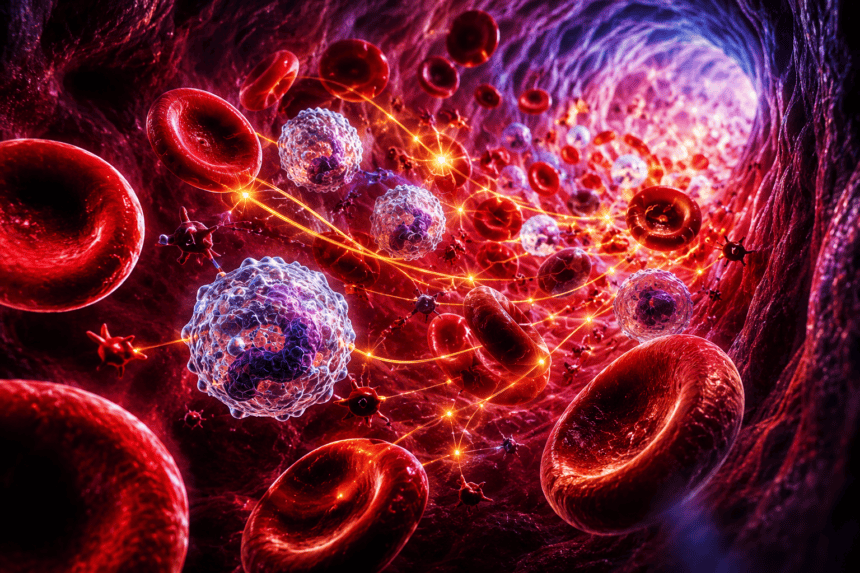
Most people think blood simply carries oxygen and nutrients throughout the body. However, blood also serves as an important communication system, transporting chemical signals that help different organs work together.
Hormones released by glands travel through the bloodstream to reach their target organs. These chemical messengers regulate growth, metabolism, stress responses, reproduction, and many other body functions. Blood also carries immune signaling molecules that help coordinate the body’s defense against infections.
In addition, tiny particles called extracellular vesicles may transport proteins and genetic material between cells, allowing cells to influence one another. Scientists continue to study how these communication systems affect health and disease.
Why Blood Communication Matters
- Helps regulate hormones.
- Coordinates immune responses.
- Supports healing and tissue repair.
- Maintains balance between organs.
- Allows different body systems to work together.
Final Thoughts
Blood is much more than a transportation network. It acts as a communication highway, carrying messages that help keep every part of your body functioning in harmony.