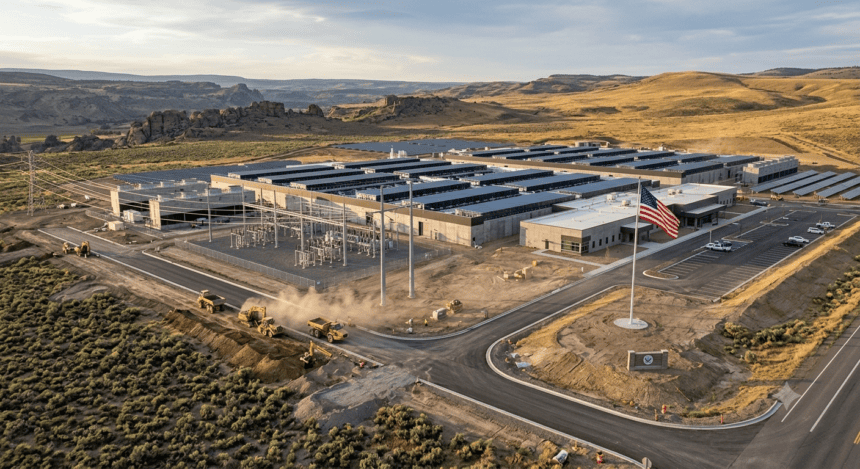
The Trump administration is moving to unlock thousands of acres of federal property for the construction of energy-hungry artificial intelligence data centers. The directive, aimed at fast-tracking the infrastructure required for the AI boom, bypasses traditional bureaucratic hurdles that have historically slowed large-scale industrial projects on public land.
Energy demand in the United States is climbing at an unprecedented rate, driven largely by the massive power requirements of AI model training. Tech giants have spent months lobbying the White House for reliable, low-cost electricity and land parcels near existing power grids. By repurposing federal tracts, the administration intends to clear a path for private companies to build proprietary power plants and massive server farms.
Critics argue the move prioritizes corporate interests over public stewardship. Environmental groups have already signaled their intent to challenge the plan in court, citing the potential for habitat destruction and the heavy water usage associated with cooling high-performance computing clusters.
“We are essentially subsidizing the tech industry’s energy appetite with land that belongs to the American people,” said one policy analyst familiar with the internal discussions. “The trade-off isn’t just about acreage; it’s about the long-term strain on regional power grids that the public relies on.”
The administration’s strategy hinges on a streamlined permitting process. By classifying these data centers as “critical national infrastructure,” officials can bypass the standard environmental impact reviews that often take years to complete. This designation places AI expansion on the same regulatory footing as national security projects or emergency power grid repairs.
Industry leaders, meanwhile, view the land access as a strategic necessity. Without the ability to scale infrastructure rapidly, they claim the U.S. risks falling behind in the global race for AI dominance. Proponents argue that by locating these centers on federal land, the government can exert greater control over the energy sources used, potentially encouraging the integration of nuclear or renewable power dedicated specifically to these facilities.
The move marks a departure from typical federal land management, which has historically prioritized conservation or public recreation. As the first shovels prepare to break ground, the administration’s bet is clear: the economic and geopolitical stakes of the AI era outweigh the long-standing policies governing the American landscape.