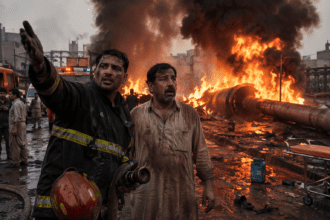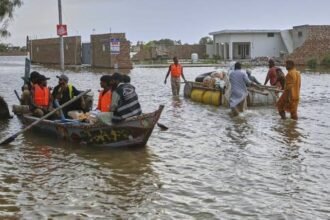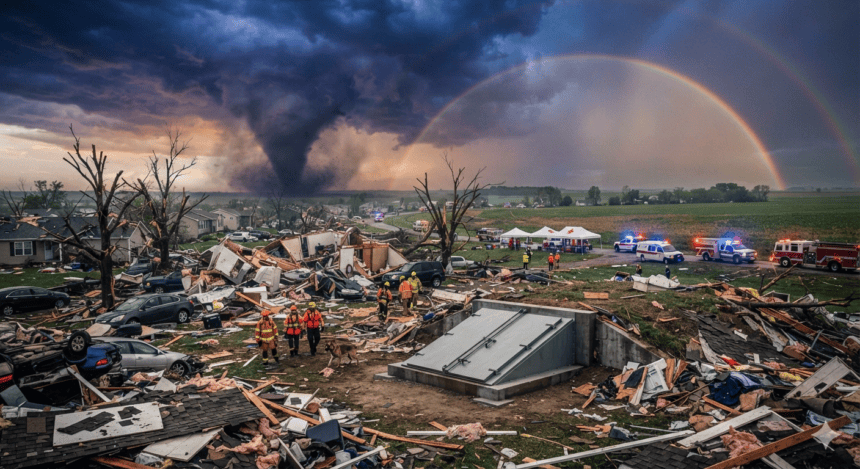
A series of powerful tornadoes has left widespread destruction across several affected areas, damaging homes, businesses, power infrastructure, and transportation networks. Emergency crews have been working around the clock to clear debris, restore essential services, and assist displaced residents.
According to weather experts, the tornadoes formed as severe thunderstorms developed in an atmosphere with strong wind shear, abundant moisture, and unstable air—conditions that are highly favorable for tornado formation. Meteorologists continue to monitor the weather system, warning that additional severe storms may still develop.
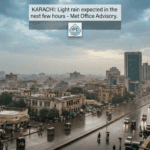
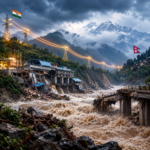
Authorities reported extensive structural damage, with roofs torn from buildings, vehicles overturned, trees uprooted, and electricity lines brought down. In several communities, emergency shelters were opened to accommodate families forced to leave their homes.
Disaster management officials have urged residents to remain alert, follow official weather advisories, and prepare emergency kits containing drinking water, food, flashlights, batteries, medications, and important documents. People living in tornado-prone areas are advised to identify safe shelters in advance and seek immediate protection if a tornado warning is issued.
Climate scientists note that while no single tornado can be directly attributed to climate change, a warmer atmosphere can increase the amount of moisture and energy available for severe thunderstorms, potentially creating conditions favorable for more intense weather events. Research into the relationship between climate change and tornado activity is ongoing.
Experts stress that early warning systems, improved forecasting, resilient infrastructure, and public awareness remain the most effective tools for reducing the impact of tornado disasters. They also encourage communities to participate in emergency preparedness programs and disaster response training.
As recovery efforts continue, authorities are assessing the full extent of the damage and working to restore normal life in the affected areas. Meteorologists continue to monitor weather conditions closely and advise the public to remain vigilant until the threat has passed.