A new fossil study has revealed fresh insights into Dilophosaurus, one of the earliest large predatory dinosaurs of the Early Jurassic Period. The latest research is helping paleontologists better understand its anatomy, growth, hunting abilities, and evolutionary history, challenging several long-standing misconceptions about the dinosaur.
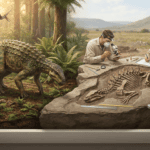
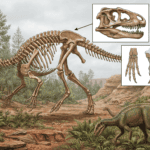
Researchers analyzed well-preserved fossil skeletons using CT scanning, 3D digital reconstruction, and biomechanical modeling. The findings provide new evidence about Dilophosaurus’ skull structure, powerful jaws, and agile body, suggesting it was a more formidable predator than previously believed.
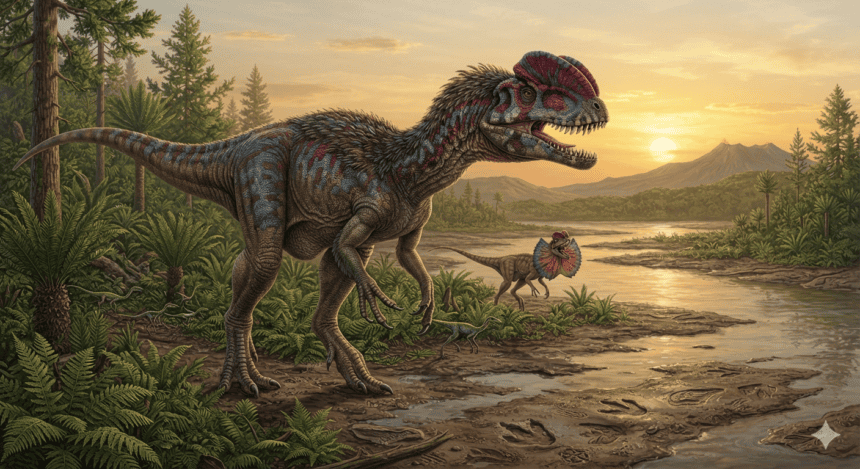
Dilophosaurus lived approximately 193 million years ago and measured around 6 to 7 meters (20–23 feet) in length. It is best known for the pair of distinctive bony crests on top of its skull, which scientists believe were likely used for display, species recognition, or attracting mates rather than combat.
The study indicates that Dilophosaurus possessed a lightweight but strong skeleton, long powerful legs, and sharp, serrated teeth that allowed it to hunt small and medium-sized animals efficiently. Its flexible body and balanced tail would have enabled it to move quickly while pursuing prey.
Researchers also found evidence that the dinosaur’s skull was more robust than earlier studies suggested, overturning the popular misconception that Dilophosaurus had a weak bite. Scientists now believe it was capable of delivering powerful bites and occupying the role of an apex predator in its ecosystem.
Experts emphasize that the famous portrayal of Dilophosaurus in movies—with a neck frill and venom-spitting ability—has no scientific evidence. Fossil discoveries indicate that these features were fictional additions and not supported by paleontological research.
Scientists say the new findings improve our understanding of early theropod evolution and how large carnivorous dinosaurs developed during the Jurassic Period. Future fossil discoveries are expected to reveal even more about the biology and behavior of this remarkable predator.