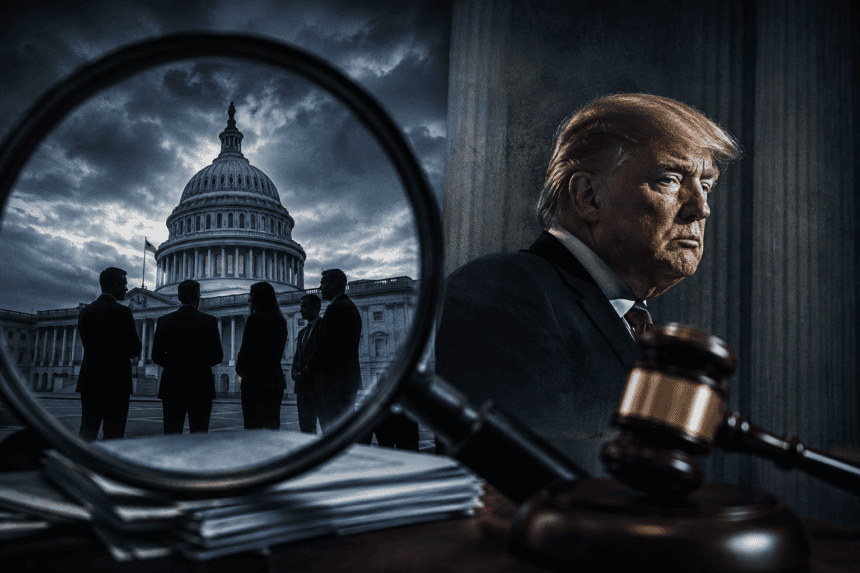
House Democrats are drafting a roadmap for aggressive oversight of Donald Trump if the party regains the majority in November, signaling a shift from legislative policy to investigative scrutiny.
Senior aides confirm the strategy focuses on immediate subpoenas and committee probes into the former president’s business dealings and potential conflicts of interest. Unlike the impeachment battles of the past, this approach prioritizes financial records and executive branch interactions, aiming to avoid the political volatility that defined the previous cycles.
The shift reflects a calculation that voters are more focused on accountability regarding Trump’s personal and political conduct than on the constitutional thresholds required for impeachment. By keeping the investigations focused on administrative oversight, Democrats hope to maintain a steady drip of scrutiny throughout the next Congress without triggering the same partisan backlash that often accompanies formal impeachment proceedings.
“The goal isn’t a headline-grabbing fight that ends in a party-line vote,” one strategist familiar with the planning said. “It’s about showing the public the ledger.”
The House Judiciary and Oversight committees would serve as the primary engines for these efforts. Should they take the gavel, Democrats intend to revisit unresolved questions regarding Trump’s foreign business entanglements and the handling of classified documents.
Republicans, meanwhile, are already framing these plans as a “revenge agenda.” The party leadership expects to paint any such probes as a distraction from inflation, border security, and other kitchen-table issues that have dominated the campaign trail. They argue that voters will reject what they characterize as a return to “weaponized government.”
The internal polling suggests the Democratic base remains hungry for accountability, but swing voters are increasingly wary of perpetual congressional warfare. This creates a narrow path for leadership; they must satisfy the demand for oversight without alienating the moderate voters needed to hold a majority.
For now, the plans remain in the drafting stage. Whether these investigations materialize into tangible policy shifts or remain political theater depends entirely on the margins of the next House. If Democrats secure a slim majority, the oversight will likely be surgical. A larger mandate, however, could embolden a more expansive search for answers.
The outcome in November will determine if these files remain on the shelf or become the primary business of the next Congress.