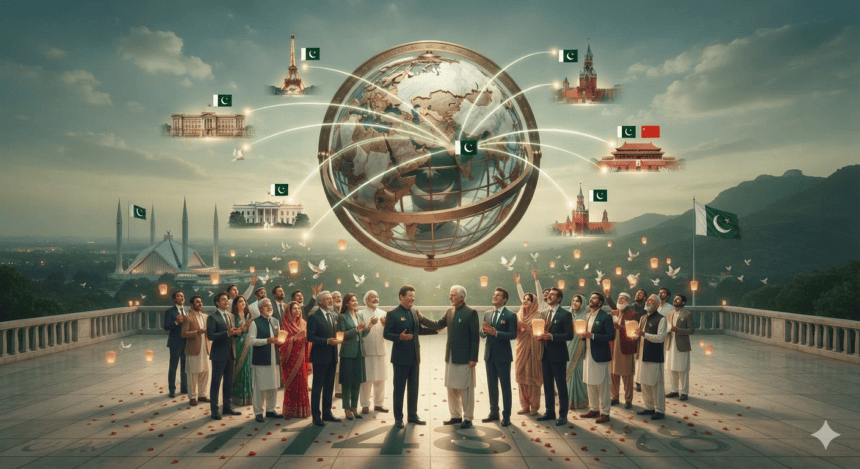
World leaders sent formal messages to Pakistan on Wednesday to mark the country’s 77th Independence Day, using the occasion to signal the importance of ongoing bilateral partnerships.
The messages arrived in Islamabad throughout the morning, as the government hosted the traditional flag-hoisting ceremony at the Convention Centre.
U.S. Secretary of State Antony Blinken led the diplomatic outreach from Washington. In a statement, Blinken highlighted the “shared goals” between the two nations, specifically pointing to economic cooperation and regional stability. He didn’t shy away from the challenges, noting that the U.S. remains committed to working alongside Pakistan to address the “complex issues” currently facing the region.
From Beijing, President Xi Jinping’s message struck a more tactical tone. He emphasized the “all-weather” nature of the China-Pakistan relationship, framing the China-Pakistan Economic Corridor (CPEC) as the heartbeat of their cooperation. Xi’s note focused on the future, calling for a “higher-quality” phase of the multi-billion dollar infrastructure project that has defined the countries’ relationship for over a decade.
Russian President Vladimir Putin reached out as well, sending a brief note to President Asif Ali Zardari and Prime Minister Shehbaz Sharif. Putin’s communication focused on the “constructive” potential of their ties, particularly in trade and energy, signaling Moscow’s interest in deepening its footprint in South Asia.
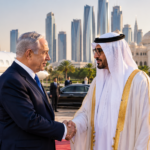
Leaders from the Gulf—specifically Saudi Arabia and the United Arab Emirates—sent cables emphasizing the deep-rooted cultural and religious ties that underpin their financial support for Pakistan. These messages come at a critical juncture for Islamabad, which is currently navigating a fragile economic recovery plan under the International Monetary Fund.
While the diplomatic language remained largely ceremonial, the timing is pointed. Pakistan is currently managing a delicate balance of competing foreign interests, from navigating U.S.-led financial oversight to managing a massive debt burden owed to Chinese lenders.
The celebrations in Islamabad remained subdued compared to previous years, reflecting the country’s ongoing struggle with political polarization and fiscal strain. As the world’s leaders exchanged pleasantries, the message from the streets remained focused on domestic stability rather than international optics.
For the government, the flurry of diplomatic correspondence serves a dual purpose: it reaffirms Pakistan’s relevance in a fracturing global order, even as it looks to secure the external investment required to keep its economy afloat.