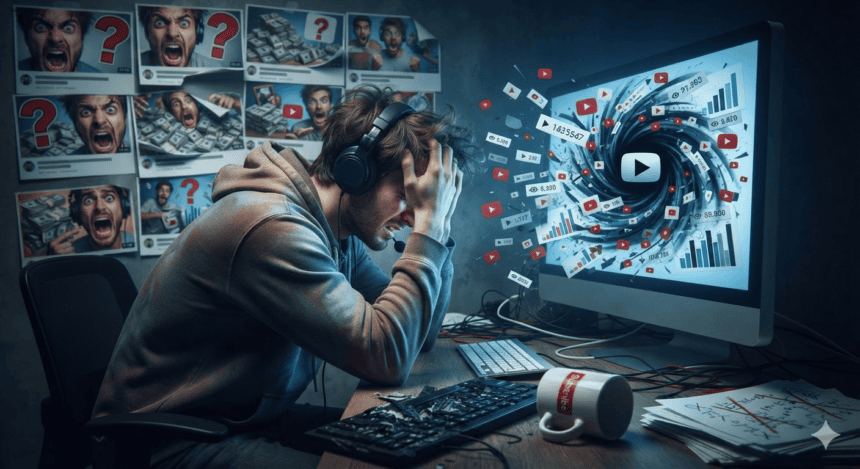
At the heart of the frustration is a quiet update to YouTube’s backend metrics, designed to filter out what the company calls “artificially inflated” engagement. The platform claims the goal is to improve data accuracy for advertisers, but for those who make their living on the site, the update feels like a direct attack on their reach.
Creators are reporting sudden, unexplained dips in view counts—some by as much as 30% overnight. While YouTube maintains that only “invalid” traffic is being purged, many mid-sized channels argue the new algorithm is overly aggressive, flagging legitimate viewer behavior as spam.
“They aren’t just cleaning up bots,” said one veteran tech reviewer with two million subscribers. “They are fundamentally changing the value of a click, and they aren’t telling us where the line is drawn.”
The backlash centers on the platform’s shifting stance on clickbait. For years, creators optimized thumbnails and titles to drive clicks, a strategy YouTube now seems to be penalizing if those clicks don’t result in “meaningful” watch time. The problem: the definition of “meaningful” remains opaque.
Advertisers have long pressured YouTube to prove that human eyes—not automated scripts—are watching their commercials. This overhaul is the platform’s attempt to satisfy those demands, yet the cost is being borne by the creators who built the ecosystem. If a video is opened and then closed within seconds, it’s increasingly being scrubbed from a channel’s analytics.
Smaller creators are the most vulnerable. Unlike massive channels with established audiences, new creators rely on viral bursts to find their footing. If the algorithm misidentifies a surge in genuine interest as a bot attack, that channel’s growth can be throttled before it even begins.
YouTube has yet to release a public white paper detailing the specifics of the new filtering process, leaving creators to guess which metrics are being prioritized.
Until the platform provides clear, actionable data, the relationship between YouTube and its top talent will remain strained. For now, creators are left adjusting their strategies in the dark, wondering if their next video will reach an audience or vanish into the filter.