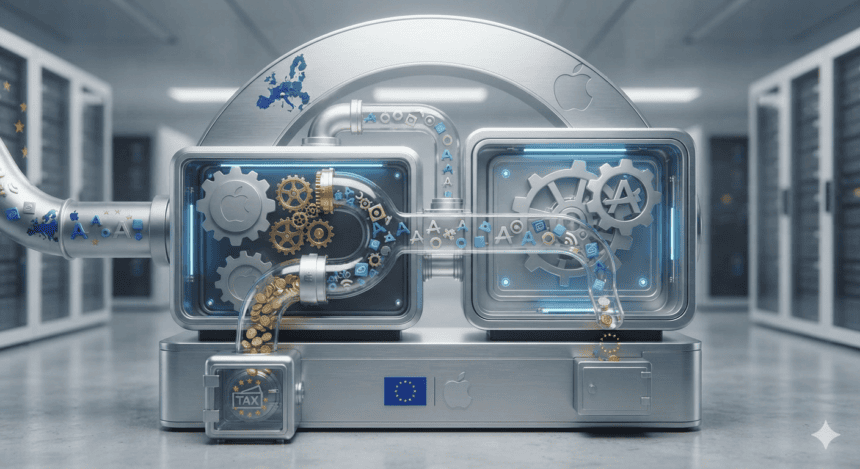
Apple is adjusting its fee structure for alternative app marketplaces in the European Union, a move aimed at placating regulators who have kept a steady eye on the tech giant’s ecosystem. The company confirmed it will introduce a new “StoreKit” fee structure, essentially lowering the barrier for developers who want to distribute software outside the official App Store.
The core of the change involves the “Core Technology Fee.” Previously, developers opting into Apple’s new business terms were hit with a €0.50 charge for every first annual install after the first million downloads. Under the revised plan, developers can opt for a “Basic Install Fee” that applies only when an app reaches a certain threshold of popularity.
For many smaller developers, this is a win. It removes the looming financial threat of a sudden viral hit triggering a massive, unexpected bill from Cupertino. Apple is effectively trying to de-risk the alternative store model, which has struggled to gain traction since the Digital Markets Act (DMA) forced their hand earlier this year.
“We are making these changes to provide developers with more flexibility,” an Apple spokesperson said in a brief statement. But the company isn’t walking away from its revenue model. The new terms still require developers to navigate a complex set of eligibility requirements, and the transition isn’t automatic.
Critics and industry analysts argue the move is less about altruism and more about legal maneuvering. The European Commission has been investigating whether Apple’s previous compliance efforts were designed to be intentionally cumbersome. By lowering the entry price, Apple is signaling to Brussels that it is listening—or at least, that it’s willing to negotiate.
Despite the fee cuts, the requirement for developers to still undergo Apple’s “notarization” process—a security check for apps distributed outside the App Store—remains firmly in place. Apple maintains this is essential for user safety, though it remains a primary point of friction for companies like Epic Games and Spotify, who have long argued the process is a gatekeeping mechanism in disguise.
The shift brings Apple closer to a middle ground, yet it stops short of opening the floodgates. Developers now have a cheaper path to distribute software in Europe, but they’re still playing within a sandbox that Apple continues to build, manage, and define.
Whether this satisfies the European Commission’s ongoing antitrust scrutiny remains the unanswered question. For now, the math has changed, but the power dynamic in the EU app economy stays exactly where it was.