The illegal dumping of toxic waste across the Welsh countryside isn’t just a localized environmental failure; it’s a systemic crisis. Actor Michael Sheen’s latest documentary, *The Great Greenwashing*, has brought long-buried chemical sites back into the spotlight, and environmental investigators warn that the sites uncovered on camera represent a fraction of the actual damage.
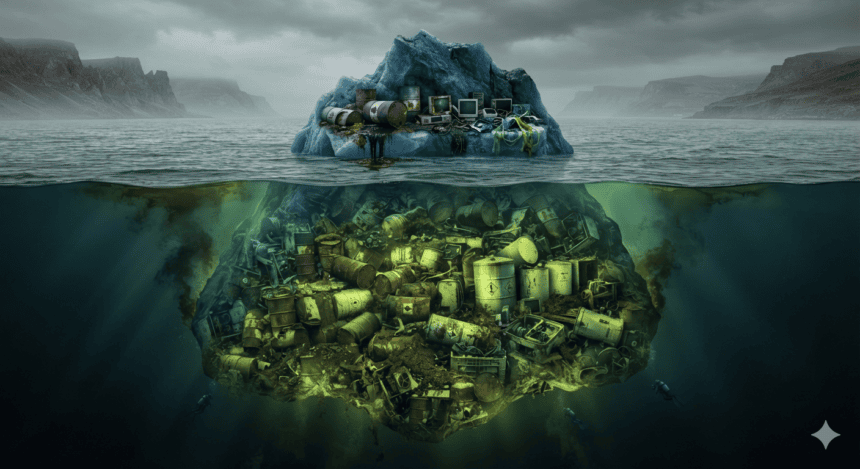
For decades, industrial waste has been buried beneath rural land, often with little oversight from local councils. The documentary tracks the legacy of unregulated dumping, showing how hazardous materials—ranging from heavy metals to industrial solvents—have leeched into groundwater supplies used by neighboring farms.
“People assume these sites are historical relics, safely capped and forgotten,” said Dr. Arwyn Jones, a soil scientist who consulted on the project. “The reality is that these sites are leaking. We are looking at a ticking time bomb for local ecosystems, and we have no comprehensive map of where the worst of it sits.”
The issue stems from a lack of historical documentation. Many of the sites identified in the documentary date back to the 1970s and 80s, an era when industrial waste disposal was loosely regulated and often handled by contractors who prioritized cost over containment. As these sites age, the containment liners degrade, allowing toxic runoff to contaminate local water tables.
Environmental watchdogs are now calling for a national audit of land use, but the financial burden of such an undertaking is massive. Cleaning a single industrial waste site can cost millions, leaving local authorities—already stretched thin by budget cuts—in a state of paralysis.
Sheen’s investigation suggests that the problem isn’t just about the past. He argues that modern “green” initiatives often ignore the toxic skeletons buried beneath the surface, allowing corporations to claim environmental compliance while leaving the cleanup to the public.
Government officials have largely remained quiet, citing the complexity of liability. Without a clear chain of responsibility, the cost of remediation will likely fall on the taxpayer, provided the government decides to act at all.
Until a full-scale survey is commissioned, the true extent of the contamination remains hidden. For the residents living near these unmarked sites, the documentary isn’t just an exposé—it’s a warning that the ground they walk on may no longer be safe.