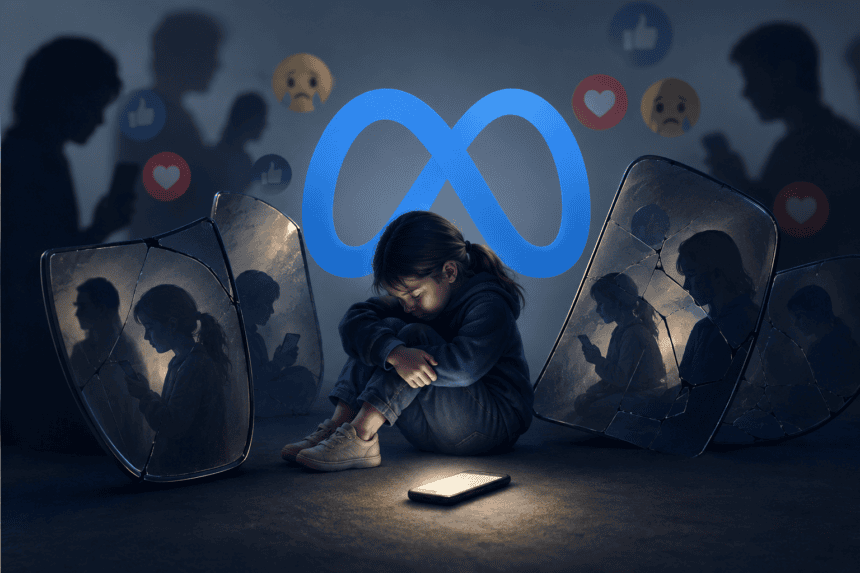
Meta has agreed to a massive $16.68 billion settlement to resolve widespread allegations that its platforms—Facebook and Instagram—deliberately fueled addiction and mental health crises among minors. The payout marks one of the largest corporate settlements in tech history, effectively ending a sprawling wave of litigation brought by state attorneys general and families across the country.
The company didn’t admit to any wrongdoing as part of the agreement. Instead, the multi-billion dollar sum functions as a definitive exit strategy from years of legal discovery that threatened to expose internal research regarding how algorithms specifically target adolescent insecurities.
For the plaintiffs, the money is only half the battle. The settlement mandates sweeping changes to how Meta’s recommendation engines function for users under 18. Engineers will now face external audits to ensure features like “infinite scroll” and aggressive notification pings are dialed back to limit the addictive feedback loops that child psychologists have flagged for years.
“Meta knew exactly what they were doing,” said Sarah Jenkins, a lead attorney representing a coalition of families. “They built a machine designed to keep kids scrolling at the expense of their sleep, their grades, and their mental stability. This settlement forces them to finally turn the dial down.”
The financial burden is substantial, even for a company of Meta’s scale. While $16.68 billion won’t bankrupt the social media giant, it cuts deep into the quarterly profit margins that shareholders have come to expect. More importantly, the deal sets a precedent that other platforms—like TikTok and Snap—will find hard to ignore.
Wall Street analysts are already recalibrating their expectations for Meta’s future growth. If the company is forced to limit engagement-driving features for its youngest users, the long-term ad revenue model faces a structural shift.
Meta’s legal team framed the settlement as a way to “move past the distraction of litigation.” In a brief corporate statement, the company insisted it remains committed to building “age-appropriate experiences,” though it stopped short of apologizing for the internal data that triggered the initial lawsuits.
The payment schedule is slated to begin early next year, with the funds earmarked for both individual family compensation and state-led digital safety initiatives. For millions of parents, the check provides a measure of justice—but the digital environment their children inhabit remains largely unchanged.