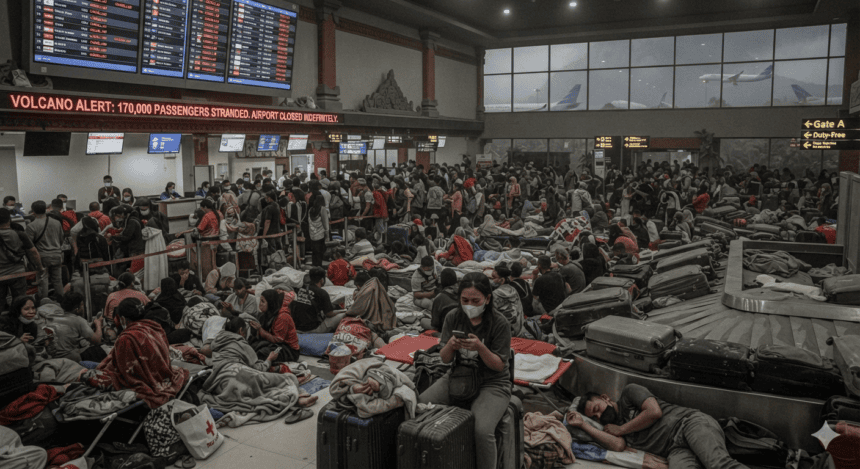
Mount Lewotobi Laki-Laki erupted again Tuesday, unleashing a thick column of ash that forced the closure of multiple airports across Indonesia. The eruption has left nearly 170,000 passengers stranded, with airlines grounding hundreds of flights to prevent engine damage from volcanic debris.
The aviation crisis centers on the East Nusa Tenggara region, where the volcano remains in a state of high alert. Authorities have expanded the exclusion zone to nine kilometers, citing the risk of further lava flows and hot ash clouds.
“We are monitoring the situation hour by hour,” an official from the transport ministry told reporters. “Safety remains our absolute priority, and we cannot risk flight operations while the ash remains in the flight path.”
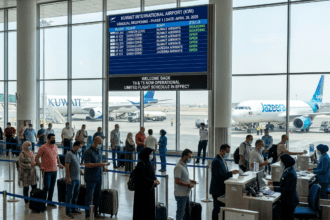
The disruption has rippled through Indonesia’s tourism sector. Thousands of travelers, many of them international tourists, are currently stuck in transit hubs like Labuan Bajo. Airport terminals are overflowing, with long queues forming at service desks as passengers scramble to rebook tickets on already overbooked flights.
For those stranded, the uncertainty is the hardest part. Many have been waiting for over 48 hours without clear updates on when regional air traffic will resume. Local hotels are nearing capacity, and regional authorities are struggling to coordinate emergency logistics for the displaced thousands.
Mount Lewotobi has been active for weeks, but this week’s intensification caught experts off guard. Seismic sensors recorded a sharp increase in tremors shortly before the main blast, which sent ash soaring thousands of meters into the atmosphere.
While the government works to clear the ash from runways, the volcano shows little sign of calming. For the 170,000 people waiting for a way home, the next flight out is a gamble against the mountain.